
How Are the Recent Tariffs Affecting Construction?
Written by Dylan Ochala, CEO & Founder
If you’ve felt like construction costs have been rising faster than expected lately, you’re not imagining it. One major factor behind the scenes isn’t just supply chains or labor; it’s tariffs on imported materials and goods.
In 2025, a wave of new tariff policies took effect in the U.S., significantly altering the cost landscape for building projects of all shapes and sizes. But what does that really mean for builders, developers, and everyday homeowners? Let’s break it down in a way that makes sense not just for builders, but for anyone planning a project that involves lumber, steel, appliances, or other construction materials.
What are tariffs, and why should construction care?
Tariffs are essentially taxes on imported goods. When a country like the U.S. imposes a tariff on foreign products, the importer has to pay extra to bring those goods into the country. That cost often flows down through the supply chain to suppliers, builders, and ultimately, consumers. Most tariffs introduced in 2025 targeted a wide range of goods, including construction materials like steel, aluminum, and wood products, and pushed average tariff rates much higher than in recent years.
Construction is especially sensitive to tariffs because the industry uses so many imported components, from basic framing lumber to electrical conduits, fixtures, and even appliances. When tariffs raise the cost of those inputs, project expenses go up across the board.
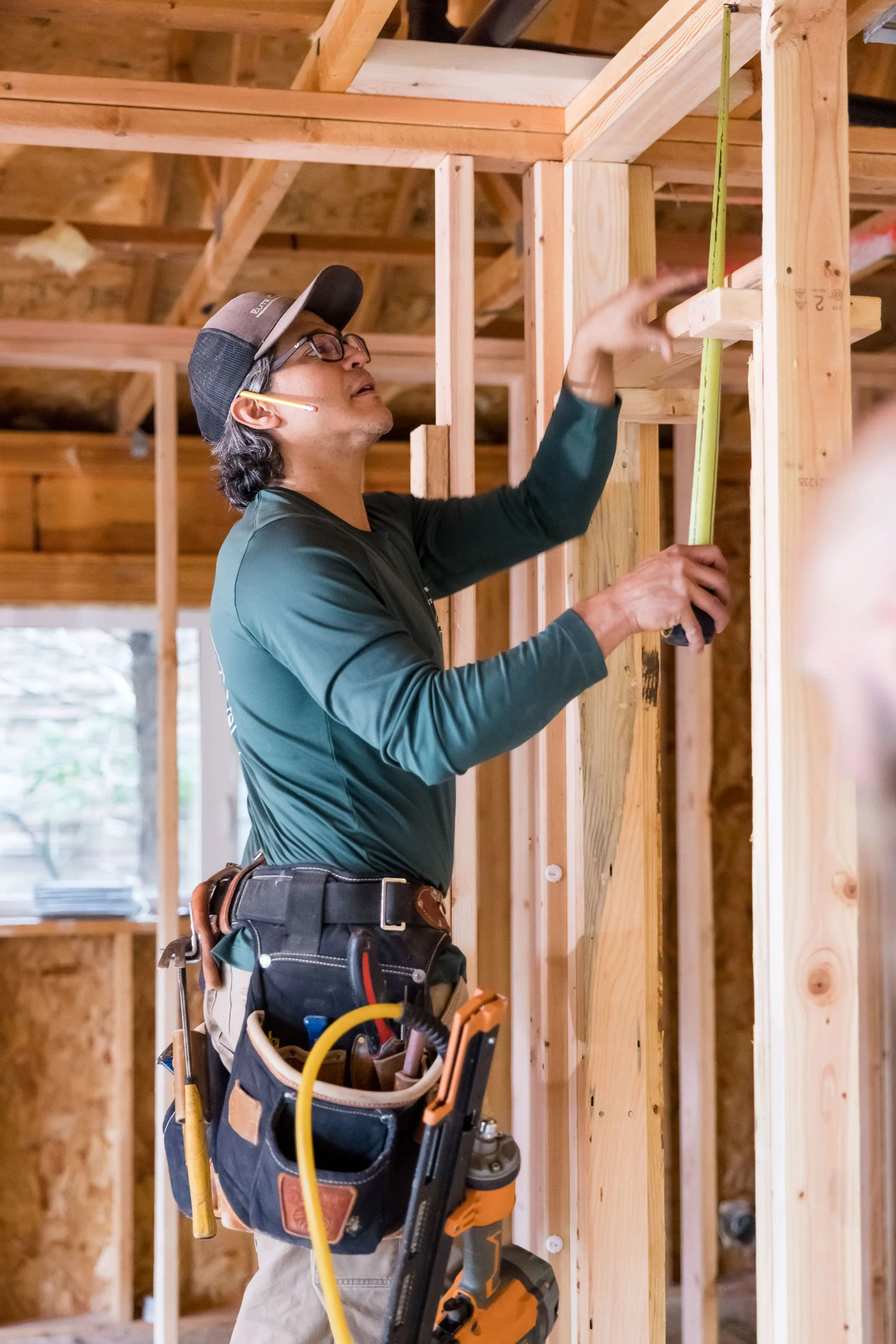

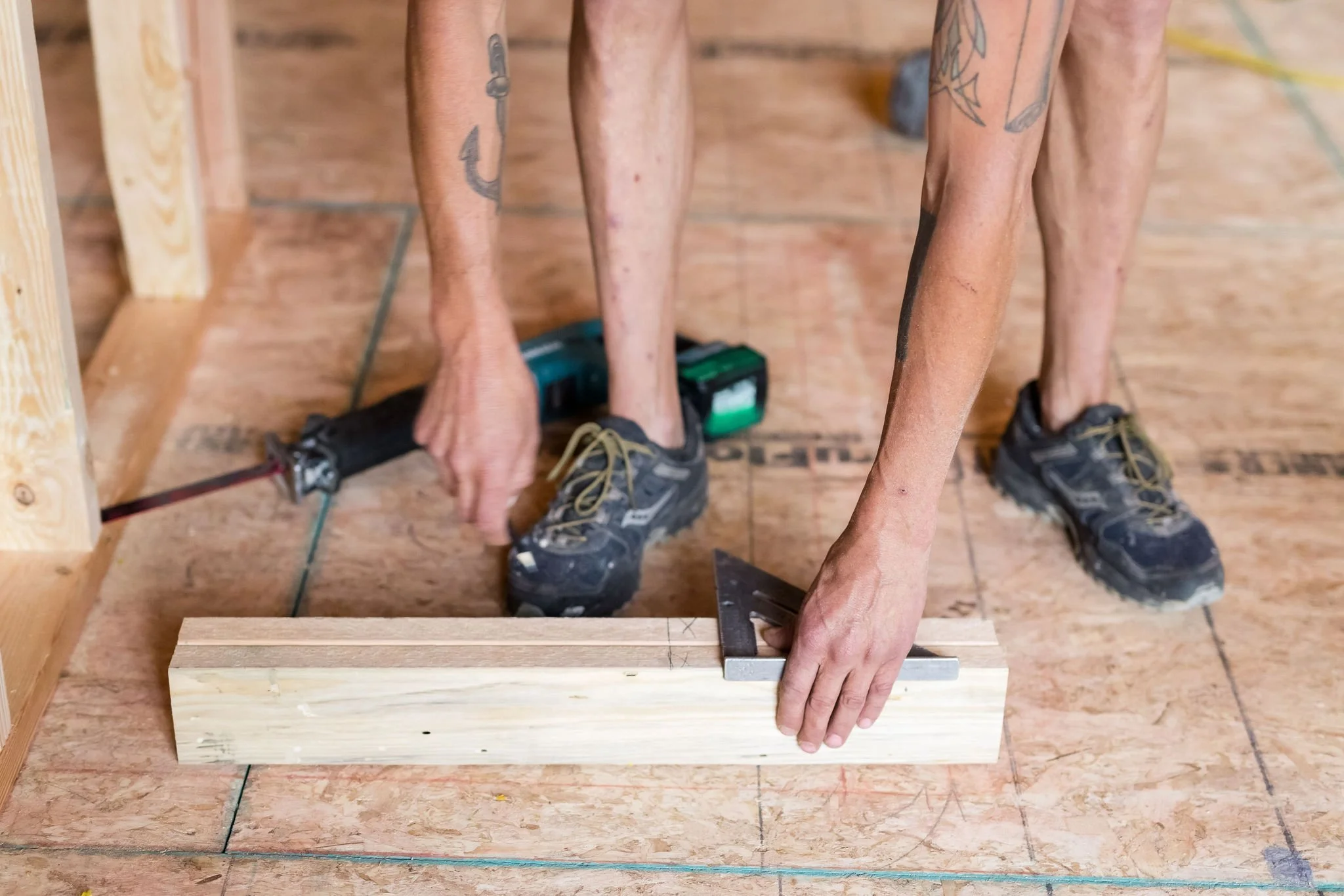
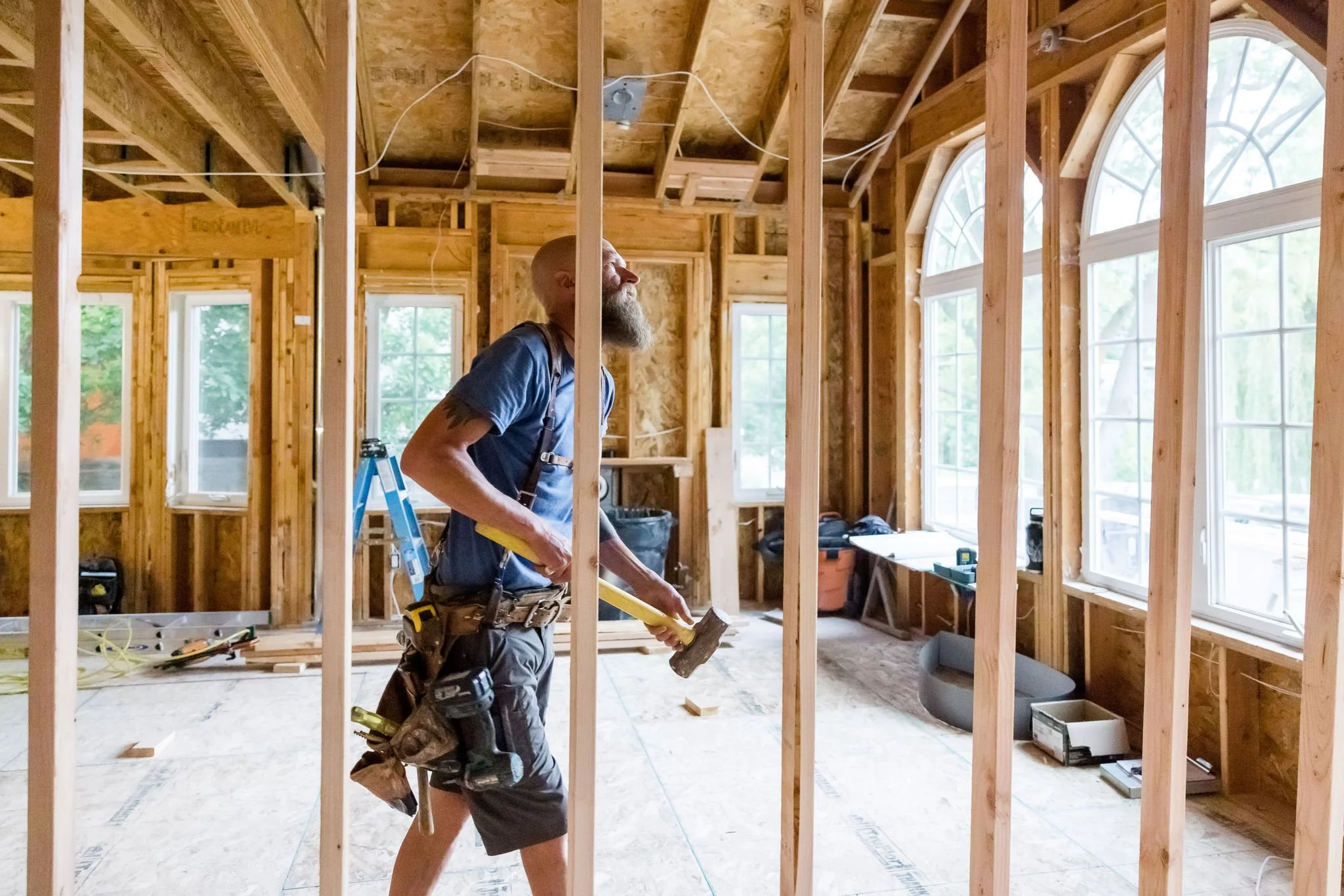
Higher Material Costs Are Already Showing Up in Budgets
One of the clearest ways tariffs affect construction is through material price increases. Contractors are seeing rising costs for things like steel, aluminum, lumber, and other essential construction inputs, all of which are key in both residential and commercial builds.
For instance:
Steel and aluminum tariffs continue to push up pricing, making structural materials more expensive.
Lumber used in framing and finishing has seen price volatility tied to both tariff policy and broader supply chain trends.
Some analysis suggests tariff-driven inflation could add a few percentage points to total project costs, on top of normal annual price escalation.
Price increases like these can mean tough conversations before a job begins — or unexpected change orders after the contract is signed.
Uncertainty Is One of the Biggest Impacts
It’s not just that materials cost more; it’s that contractors don’t always know how much they’ll cost from month to month. Tariff changes have been frequent and unpredictable, making it harder for builders to lock in pricing and plan accurately.
When there’s uncertainty in pricing, contractors may delay bids or be more conservative when estimating. Owners may pause projects mid-planning to wait for clearer policy signals, and project timelines can stretch as suppliers adjust to changes.
That uncertainty alone, even before prices go up, can slow down project momentum.
Equipment, Timelines, and Global Supply Chains
Tariffs don’t just affect raw materials. They can also influence:
Imported tools and equipment, raising upfront costs for machinery and power tools.
Supply chain rerouting, as builders and suppliers seek tariff-free sources, which can slow delivery and increase lead times.
Domestic vs. foreign sourcing decisions: Some companies are now exploring U.S. or tariff-free country suppliers to mitigate costs, but that transition takes time and isn’t always feasible for all items.
In some cases, uncertainty around tariffs impacts decisions well before construction even starts, delaying when projects break ground.
The Ripple Effects: From Builders to Homeowners
Tariffs don’t exist in a vacuum, they ripple across the economy. For example, higher construction costs can inflate the price of new homes or remodeling projects, meaning buyers and renovators pay more out of pocket. In sectors like multi-family housing, tariffs could slow new developments, which in turn affects rental markets and prices. For public infrastructure and commercial projects, tighter margins may result in stretched budgets or postponed work as agencies reassess funding.
Tariffs don’t automatically derail projects, but they do make cost planning more complex and sometimes more expensive.
What Contractors and Owners Can Do
While tariffs are a macroeconomic factor beyond any single business’s control, there are ways to navigate the challenges.
1. Lock in prices early
Getting material pricing locked in before tariffs take effect helps reduce risk.
2. Diversify suppliers
Sourcing from countries or suppliers not affected by tariffs can provide cost relief.
3. Check your builder’s network
Ask the builder you’re interviewing if they or their suppliers source materials locally. How is their relationship with these key suppliers for the big ticket items (framing, cabinets, appliances, etc.)? A strong network is likely to yield better prices.
4. Build stronger contingencies
Tariff volatility means you may want to include larger contingency buffers in budgets.
5. Stay informed
Tariff policy is still shifting, and staying up to date can help you make better planning decisions.
In an unpredictable policy environment, preparation and flexibility become major competitive advantages.
Looking Ahead
Tariffs are reshaping the construction industry in tangible ways, from material pricing to project planning and supply chain strategy. While not the only factor driving up construction costs today, they’re a meaningful one that keeps many owners and builders adjusting on the fly.
Understanding tariff impacts helps you plan with confidence, anticipate potential cost pressures, and make smarter decisions about bidding, budgeting, and timelines even when the broader policy environment feels uncertain.
At Tectonic, we take pride in partnering with you, not leaving you alone to deal with the confusion of home renovation by yourself. We know what costs are coming and why, and we always operate with 100% transparency. Our goal isn’t just to get your business; it’s to help you make your vision a reality, and that means clarity and honesty at every single step.
About the Author
Dylan Ochala is the Founder and CEO of Tectonic Design Build, bringing years of hands-on field craftsmanship to custom home construction and residential remodeling in Colorado. His focus centers on structural craftsmanship, site-specific integration, and building lasting client relationships through transparent execution in the field. Dylan, along with the rest of the Tectonic Build team, is Passive House Certified.