
Interior Design Isn’t Just About “Pretty”: Understanding the Interior Design Process
Written by Kate King, Design Director
When people hear “interior design,” they often picture finishes, colors, and mood boards. And while those things do matter, they’re only one piece of a much larger picture. For homeowners, especially those planning a remodel or custom build, the interior design process plays a critical role in how a home functions, how construction unfolds, and how the space feels long after the project is complete.
This is where understanding interior design vs decorating can change how you approach your project entirely.
Interior design vs decorating: Why the difference matters
Decorating focuses on how a space looks after it’s built: furniture, artwork, paint colors, and accessories. Interior design, on the other hand, is about how a space works. The interior design process considers:
layout and flow
how rooms connect
storage and functionality
lighting and proportions
how people actually live in the space
Decorating comes later. Interior design happens early and influences nearly every decision that follows.
The interior design process starts with how you live
Good interior design doesn’t begin with finishes. It begins with understanding daily life. Questions like:
How do you move through your home each day?
Where do things naturally collect or feel cramped?
Which spaces are underused, and why?
What routines does your home struggle to support?
In places like Boulder, CO, where homes often need to balance lifestyle, climate, and long-term flexibility, the interior design process helps translate real life into practical, livable spaces.
Design decisions shape construction and cost
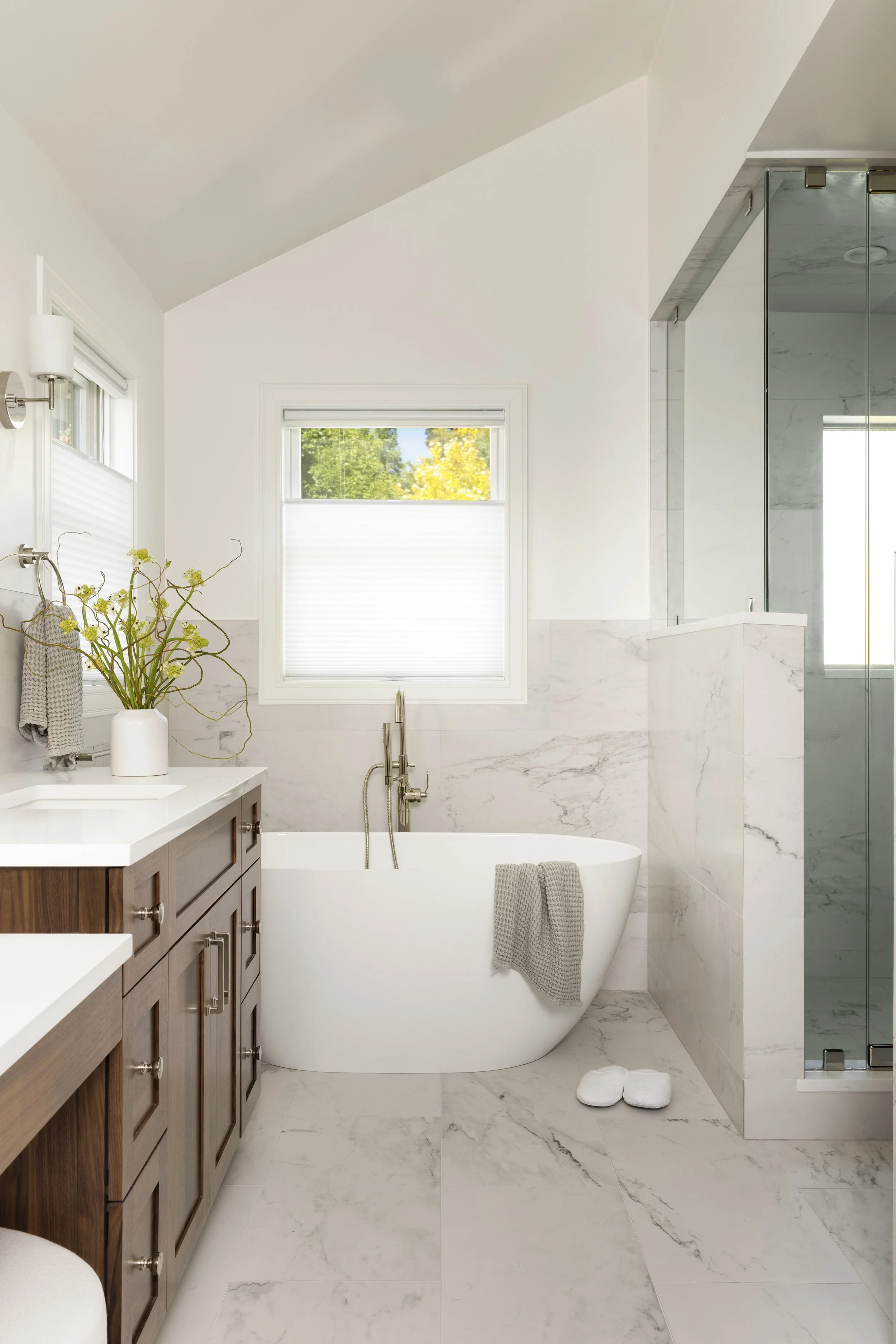
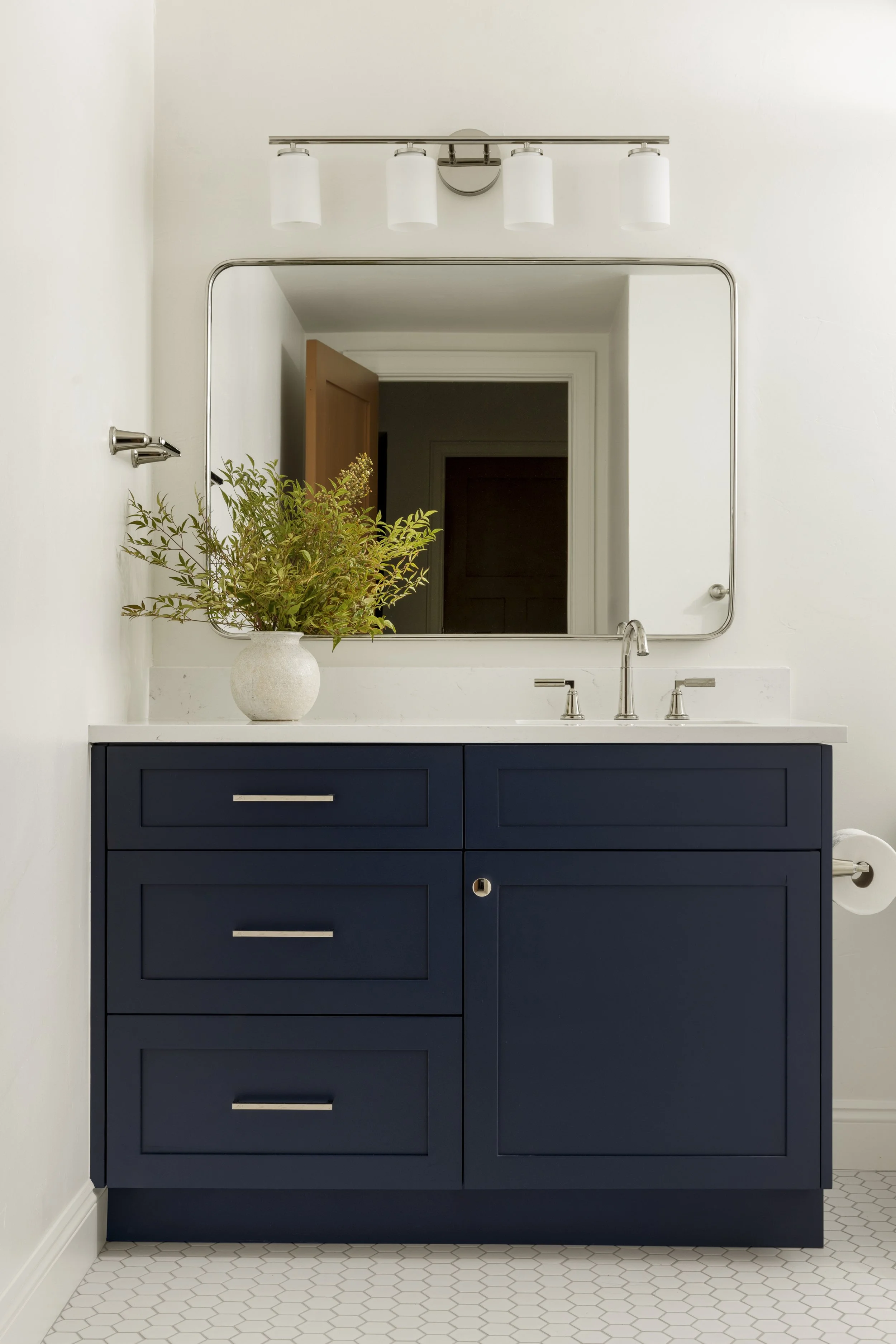
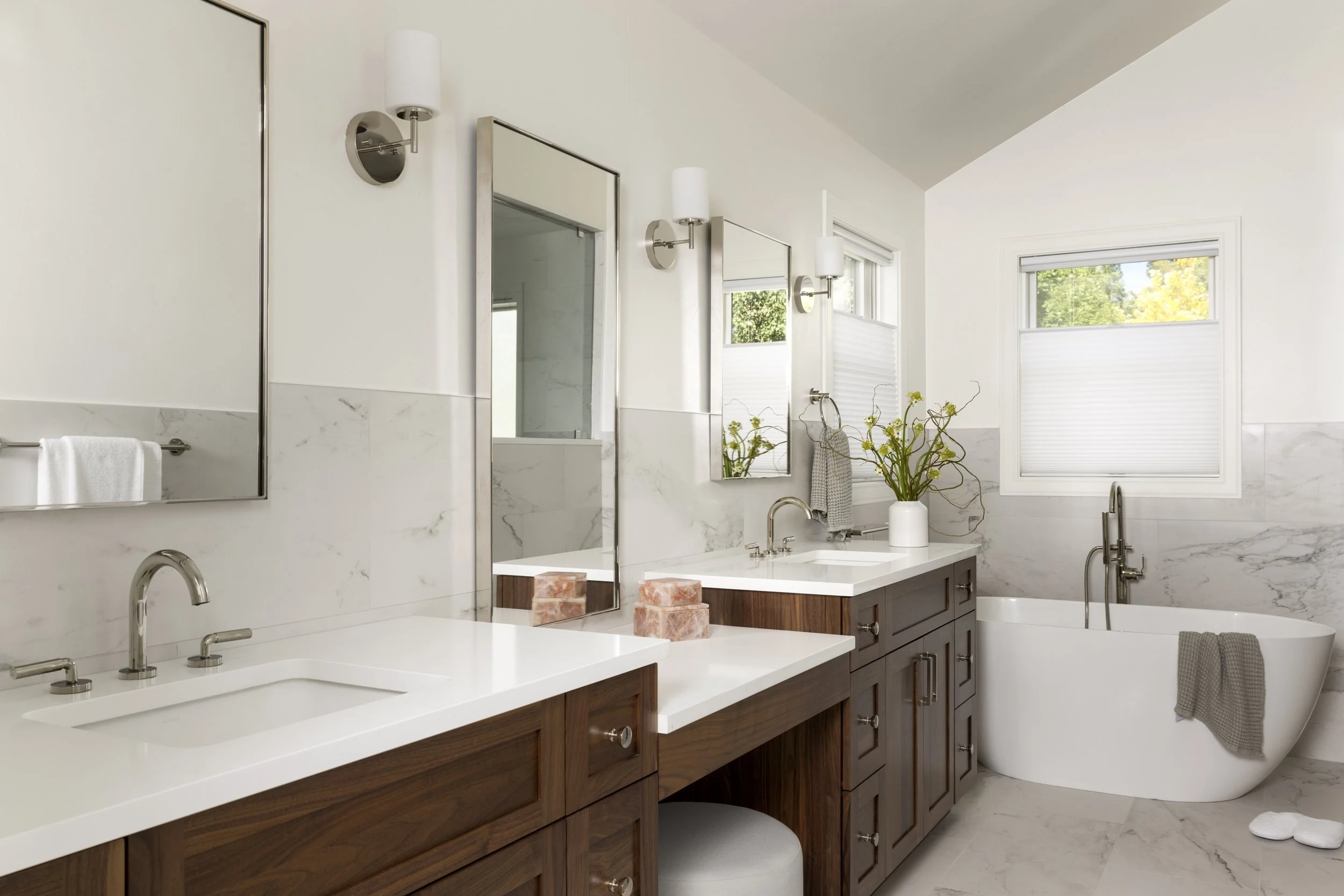
One of the biggest misconceptions homeowners have is that interior design is separate from construction. In reality, design decisions directly affect:
framing and structure
plumbing and electrical layouts
HVAC planning
window and door sizing
overall square footage
That means thoughtful design often leads to simpler construction, clearer scope, and fewer surprises, something especially valuable in Boulder-area projects where site conditions and regulations already add complexity. At Tectonic, builders and designers are all under one roof, communicating with each other–so you never fall in love with a design, only to be told it can’t be built.
Interior design helps you prioritize what matters most
Budget decisions are easier when design is intentional. The interior design process helps homeowners:
identify what adds daily value
avoid spending on features that don’t improve livability
align investment with how spaces are actually used
Often, a smarter layout or better storage has a bigger impact on quality of life than higher-end finishes. That clarity helps projects stay grounded and purposeful.
Good design is about longevity, not trends
A well-designed home isn’t just attractive on move-in day: it continues to work years later.
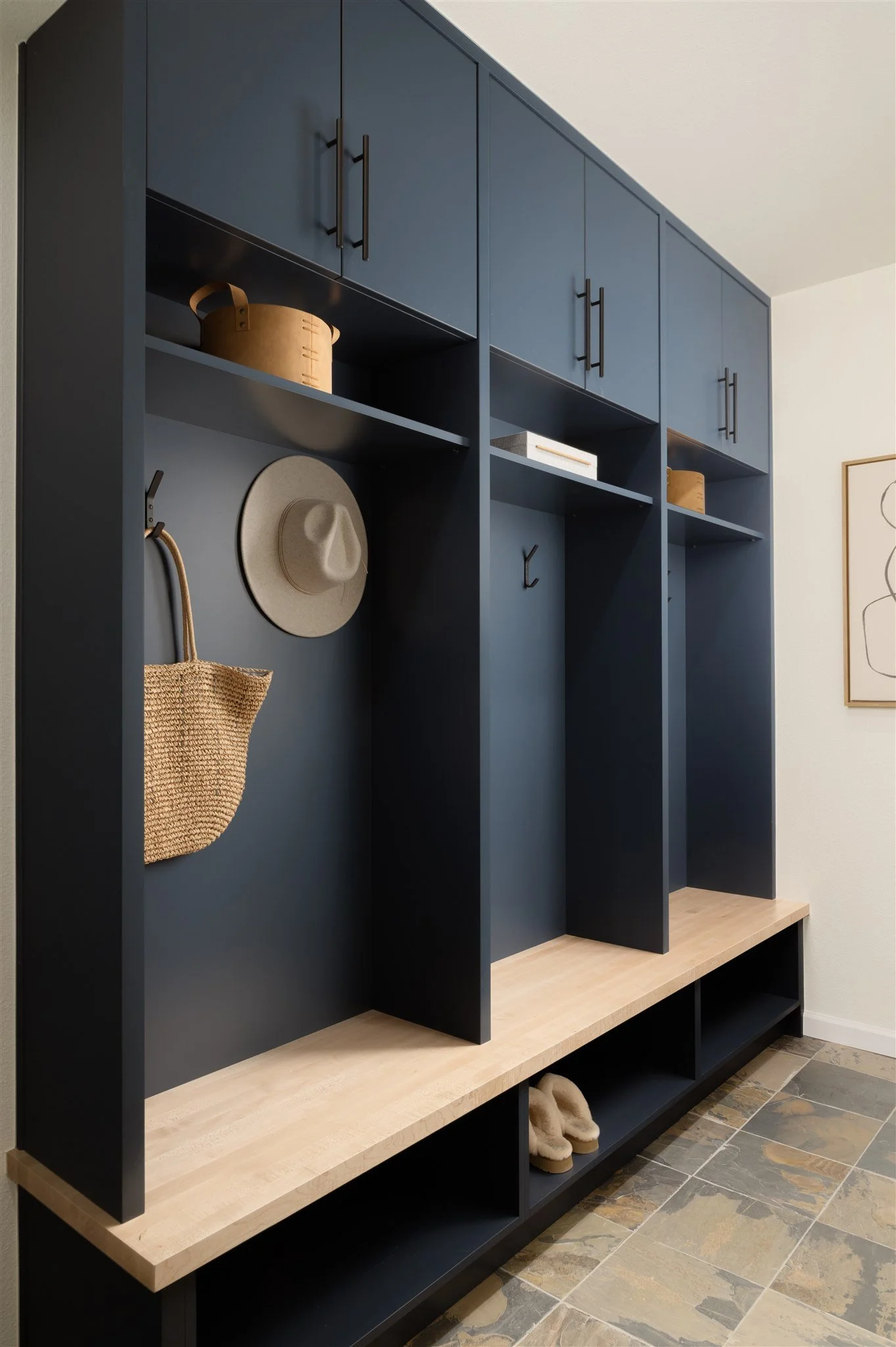
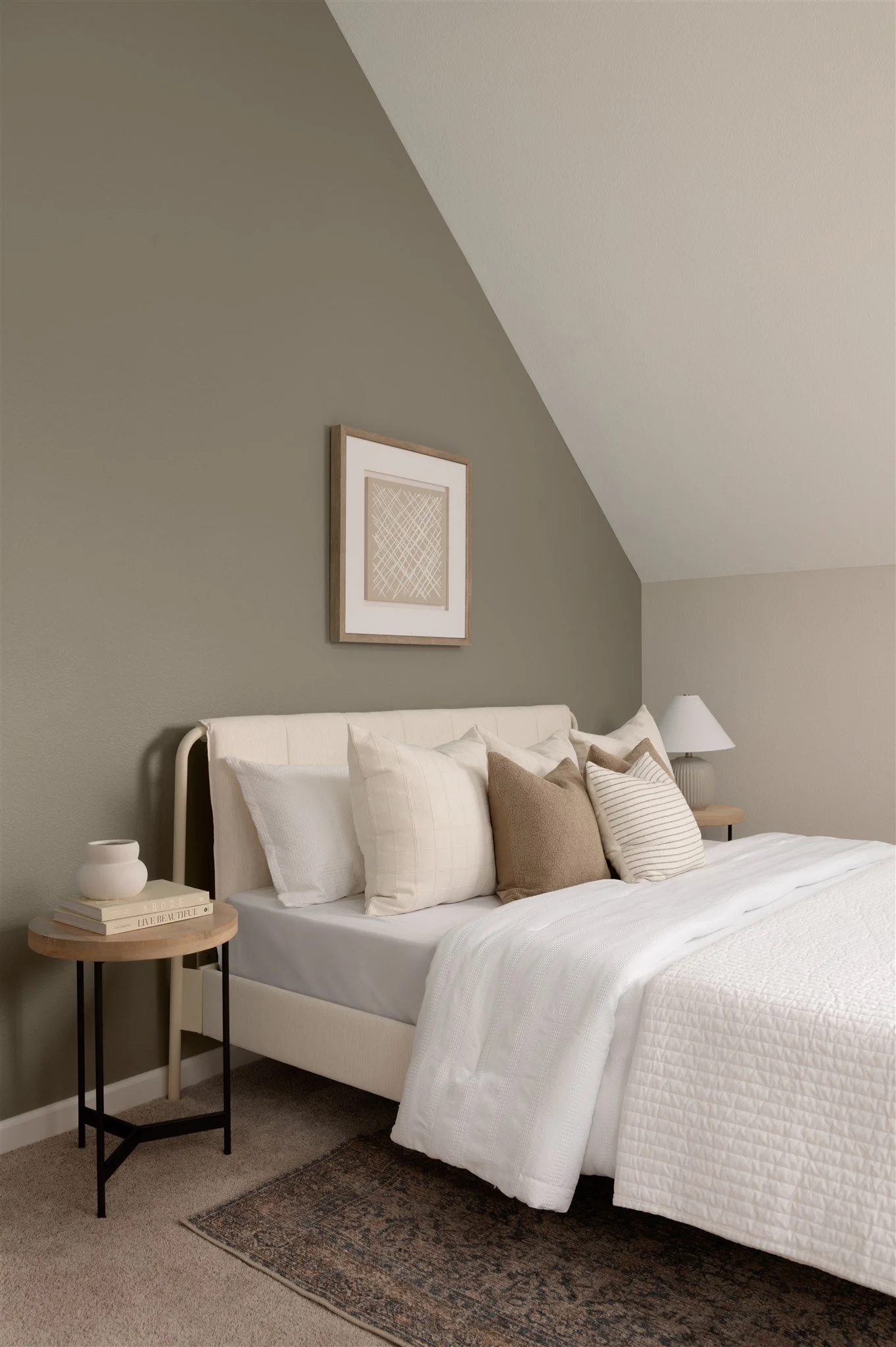
Strong interior design considers:
adaptability as needs change
durability and maintenance
natural light and comfort
how spaces age over time
These are things you feel every day, even if you never consciously think about them.
Why treating interior design as “just pretty” can create problems
When interior design is treated as decoration that happens late in the process, homeowners often face last-minute changes, missed layout opportunities, budget overruns caused by redesign, and spaces that look good but don’t function well. Understanding interior design vs decorating early helps avoid those pitfalls and leads to smoother projects overall.
Interior design isn’t about making things pretty: it’s about making intentional decisions.
The interior design process shapes how a home functions, how construction unfolds, and how satisfied homeowners feel long after the dust settles. When design is treated as a strategic part of planning (not just a cosmetic layer) projects tend to be clearer, calmer, and more successful.
About the Author
Kate King leads Tectonic's Design Team with an approachable philosophy: beautiful design should be attainable for everyone. Based in Boulder, she holds a master's from the Heritage School of Interior design and brings her passion to every project, with a particular love for kitchens and baths.