
The Design+Build Advantage: Seamlessly Integrating Architecture and Interiors for a Perfect Finish
Written by Kelsie Michelson, Chief Operating Officer
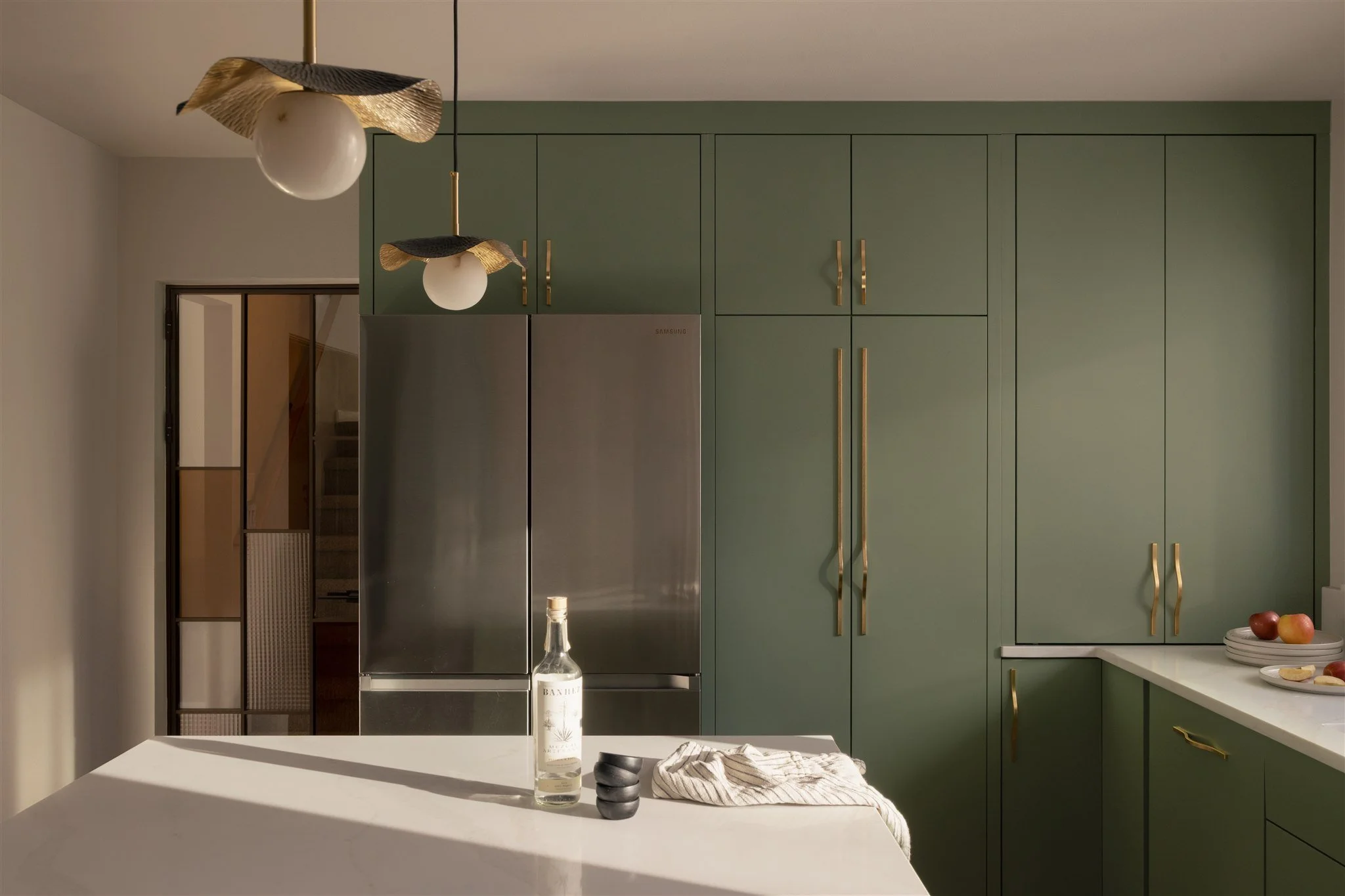
If you’ve started exploring a remodel or custom home in Boulder, you’ve probably come across the term “design-build.” It’s often presented as a smoother, more efficient way to approach construction. But what does that actually mean in practice?
To understand the advantage, it helps to zoom out for a moment and ask a more foundational question: what is architectural design?
Most homeowners assume architectural design is about the exterior look of a house: the rooflines, windows, and overall style. While that’s part of it, architectural design is really about shaping how a home functions from the ground up. It determines how rooms connect, how natural light moves through the space, how structure supports the layout, and how the home responds to its site.
In a place like Boulder, architectural design also has to navigate zoning requirements, height restrictions, energy codes, and sometimes challenging lot conditions. It’s not just creative, it’s strategic. The decisions made at this stage influence everything that follows.
Architecture sets the framework, interiors make it livable
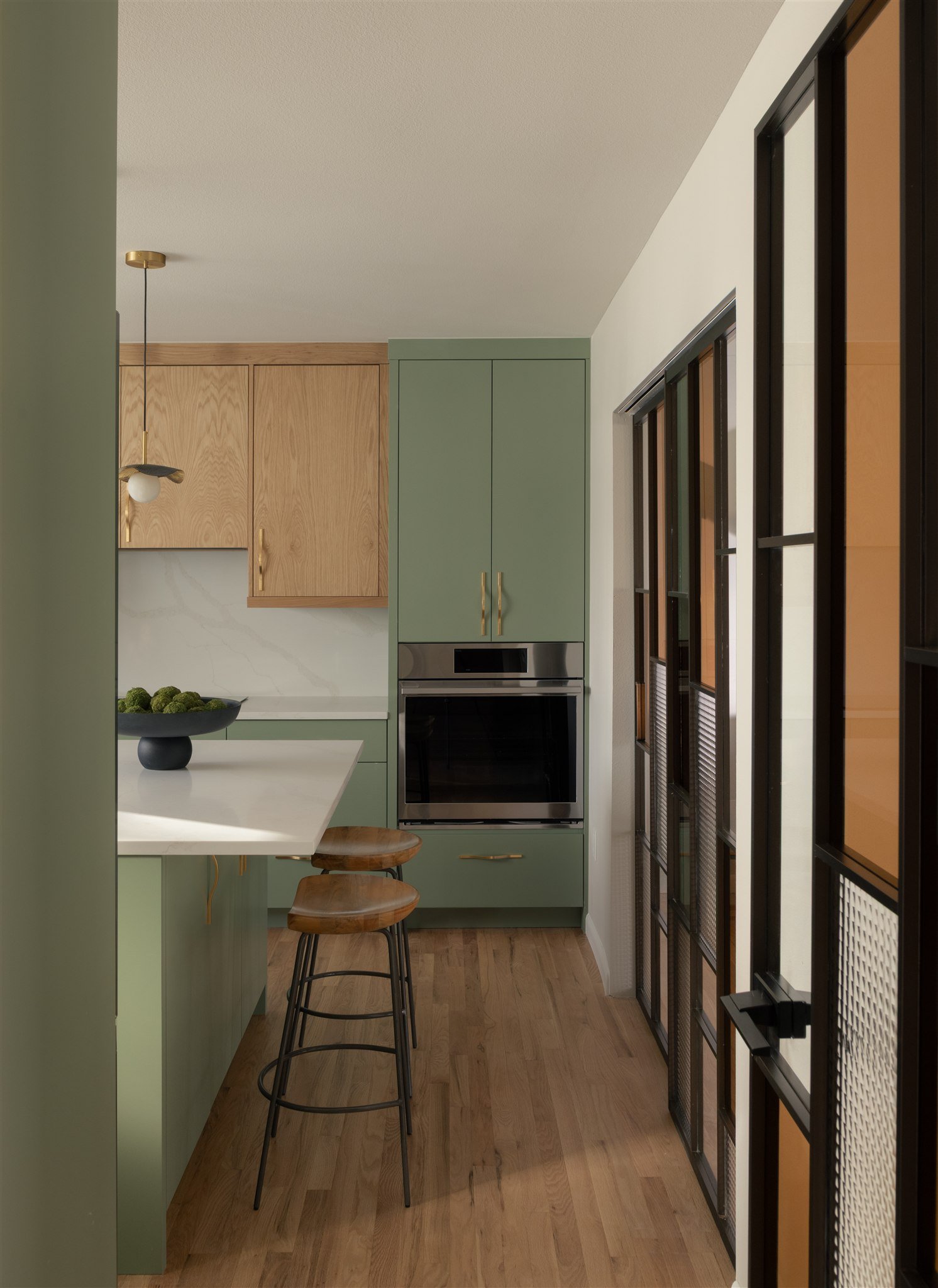
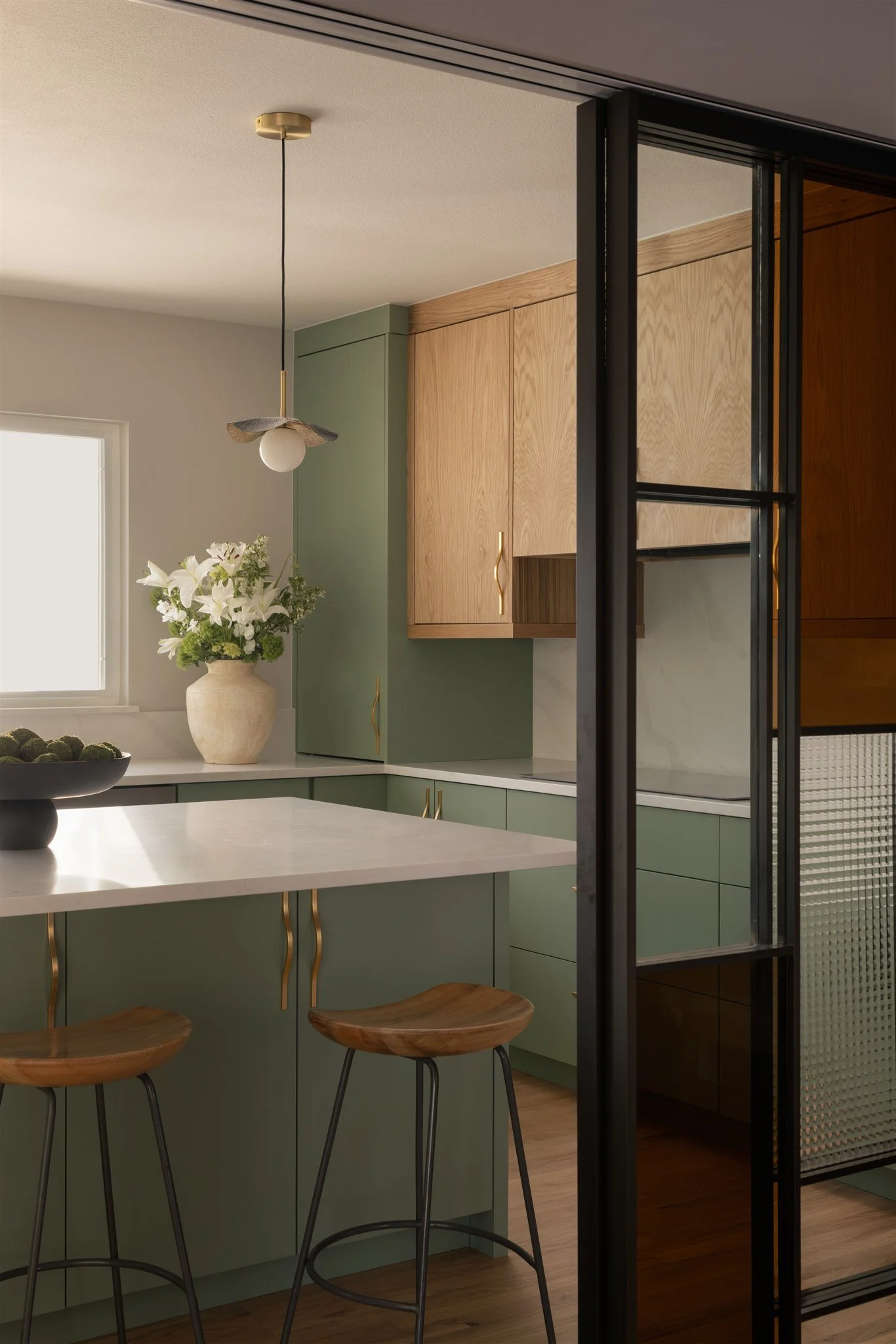
Once the architectural framework is established, interior design steps in to refine and elevate it. If architectural design defines the structure and flow, interior design shapes how that structure feels on a daily basis.
Interior design considers scale, proportion, material transitions, lighting layers, storage solutions, and how spaces support everyday routines. It translates architectural intention into lived experience.
But here’s where projects often go sideways: when architecture, interiors, and construction operate independently, they can unintentionally work against one another. A structural beam may land in an awkward place. A window placement may complicate cabinetry. A ceiling height may not support the lighting concept envisioned later.
None of these issues happen because someone did something “wrong.” They happen because the process wasn’t integrated.
The limits of a fragmented process
In a traditional model, homeowners often hire an architect first. Later, they may bring in an interior designer. Eventually, a contractor enters the picture to price and build what’s been designed.
Each professional may be highly skilled. But when they’re working with different processes, in different lanes, decisions can become disconnected. Budget implications might not be fully understood during design. Constructability concerns may not surface until drawings are complete. Interior selections may need revision once structural realities become clear.
In Boulder’s building environment where permitting timelines, sustainability requirements, and site constraints already demand coordination, fragmentation can add unnecessary complexity. This is where the design-build approach offers a distinct advantage.
What Design+Build actually changes
Design-build doesn’t eliminate architecture or interior design. It aligns them. Instead of operating in silos, architectural design, interior design, and construction expertise are integrated from the beginning. That integration changes the tone of the entire project.
When a team is working collaboratively from day one, architectural concepts are evaluated alongside cost implications. Interior ideas are tested against structural realities early. Construction knowledge informs design decisions before they become expensive revisions.
The result isn’t just efficiency; it’s coherence.
When homeowners ask, “What is architectural design?,” the deeper answer becomes clear in this context. It’s not just about drawings, it’s about creating a framework that supports interior vision and construction execution seamlessly.
Why integration leads to a better finish
A cohesive home doesn’t happen accidentally. It’s the product of hundreds of aligned decisions.
When architecture and interiors are developed together, proportions feel intentional. Lighting integrates naturally with ceiling design. Materials transition cleanly from one space to another. Details don’t feel added on at the last minute; they feel considered.
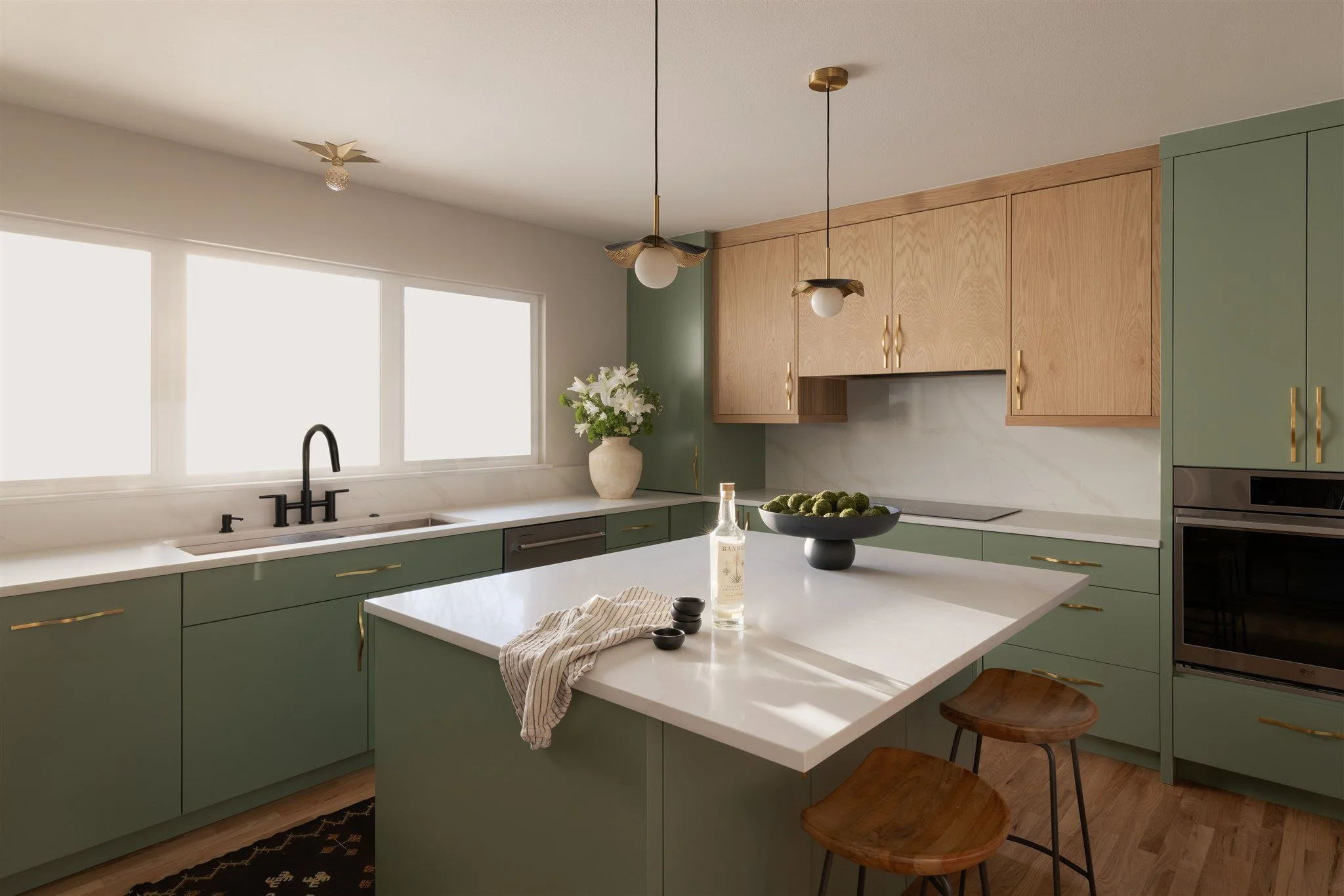
Design + build means everything is integrated seamlessly.
The finish quality of a home is rarely about one standout feature. It’s about how well everything works together.
In Boulder, where many projects balance contemporary design with environmental responsiveness and neighborhood context, that cohesion matters even more. Integration ensures the home feels connected to itself and to its surroundings.
Fewer surprises, more clarity
Many of the frustrations homeowners experience during construction, like budget overruns, scope adjustments, timeline shifts, can be traced back to early misalignment. When architectural design evolves without construction input, revisions later in the process can be costly. When interior decisions aren’t integrated early, coordination issues can surface mid-build.
Design-build reduces those friction points by encouraging clarity upfront. Budget conversations happen alongside design exploration. Scope evolves with real-world input. Expectations are grounded in feasibility.
For homeowners, that translates into fewer surprises and a steadier process.
Understanding, “What is architectural design?” is the first step in understanding why integration matters.
Architectural design establishes the bones of a home. Interior design shapes its character. Construction brings it into reality. When those three components move forward together–like they do at Tectonic, where everything is under one roof–the result tends to feel calmer, more intentional, and more complete.
In a market like Boulder, where projects require thoughtful coordination from the start, the design+build approach isn’t just about convenience. It’s about creating homes that function beautifully from the inside out. Book a discovery call with us today to find out more.
About the Author
Kelsie Michelson brings over a decade of operations management experience, providing a strategic, systems-driven approach to every project at Tectonic. As co-owner and COO, she built the company's proprietary process for seamless collaboration, transparency, and accountability, and has shaped Tectonic's minimal, modern, and earthy brand identity. Committed to community and culture, Kelsie fosters local connections and cultivates an environment of authenticity and continual growth throughout the Boulder community.