
Written by Kelsie Michelson, Chief Operating Officer
Remodeling a home is one of the most exciting projects a family can take on together. Whether you're dreaming of an open-concept kitchen, a finished basement, or a full gut renovation, the process works best when every voice in the household is heard. But before the blueprints come out and the contractor calls start, there's strategic groundwork to lay: financial, practical, and emotional.
Let's make sure this is one of the most exciting projects for your family, and not one of the most stressful. Here's a guide to planning a remodel with your family, from the first conversation to the final walk-through.

Get the Whole Family Involved Early, and Get Specific
The best remodels reflect the real needs of the people living in the home, and that means getting input from everyone, not just the decision-makers. But there's a difference between a productive family conversation and a wish-list free-for-all. The key is grounding the discussion in pain points and concrete goals before anyone starts talking about finishes or square footage.
Before any professional consultations, hold a family meeting focused on two questions: What isn't working right now, and what would make everyday life genuinely better? Push for specificity. "The kitchen feels cramped" is a start, but "I need more counter space because I love hosting and I'm always juggling prep dishes" is a vision. That kind of clarity is what an architect can actually design toward.
From there, ask each person to name their top three to five goals–not a laundry list of everything they'd ever want, but the things that would meaningfully change how they experience the home. You may be surprised. Kids often have remarkably clear ideas about what they need. Teenagers might want more privacy. A partner working from home might need better light or sound separation. An elderly parent might need accessibility features.
This step matters more than most families realize. Skipping it or rushing through it is one of the most common reasons remodels spiral. Without a shared, prioritized vision, scope creep takes over. Costs climb. Every new idea feels equally valid because nothing has been ranked. Conflict follows fast.
Once you have your collective list, sort it together: must-haves versus nice-to-haves. The must-haves are non-negotiable. They're the reason you're doing this. The nice-to-haves are additions if budget allows. Keeping that distinction visible throughout the project gives you a compass when decisions get hard, costs get real, and everyone has a different opinion about the tile.
Start with the Big Question: Remodeling vs. Buying
Before you commit to a renovation, it's worth having an honest family conversation about whether remodeling or buying a new home better serves your long-term goals. It comes down to two key considerations: goals and finances.
Remodeling lets you stay rooted in your neighborhood, your school district, and your community. It allows you to customize your existing space to fit how your family actually lives. For many homeowners, there's also significant financial upside: strategic renovations can increase your home's value considerably, turning renovation costs into long-term equity.
A different or new home, on the other hand, can offer a fresh start. A newer home brings benefits like modern layouts, updated systems, and less immediate maintenance. Buying a new home might be the best option for your family if it accomplishes the goals you’ve agreed on. But moving comes with its own costs: real estate agent fees, closing costs, moving expenses, and the emotional toll of leaving a home you love.
The calculus often comes down to three factors: how much you love your location, how much your current home can realistically be improved, and what the numbers look like. In competitive real estate environments, staying put and investing in your property can be the smarter play, especially if you're already in a neighborhood where values are strong.
Understand Your Financial Options, Including Home Equity Investment
If your family agrees that remodeling is the path forward, the first thing to understand is how much your remodeling dreams will cost. Starting a conversation with a local design-build firm in your area will get you a rough ballpark cost. Then, the next conversation is funding. Traditional options like personal savings, home equity loans, and HELOCs (Home Equity Lines of Credit) are well known. But many homeowners are now exploring a newer alternative: home equity investment.
Unlike a loan, a home equity investment (HEI) allows you to access a portion of your home's value in cash without taking on debt or monthly payments. Instead, an investment company receives a share of your home's future appreciation when you sell or refinance. It's not right for everyone, but for families who want renovation funds without adding to their monthly payment burden, it can be worth exploring.
Whichever financing route you choose, get your numbers clear before you start dreaming too big. Know your budget range, factor in a 10–20% contingency for unexpected costs (there are always unexpected costs), and be honest with each other about what you can comfortably spend.
Understand the Architectural Process
A major renovation isn't just a construction project, it's a design process, and understanding how it works will help your family participate more effectively and avoid frustrating surprises.
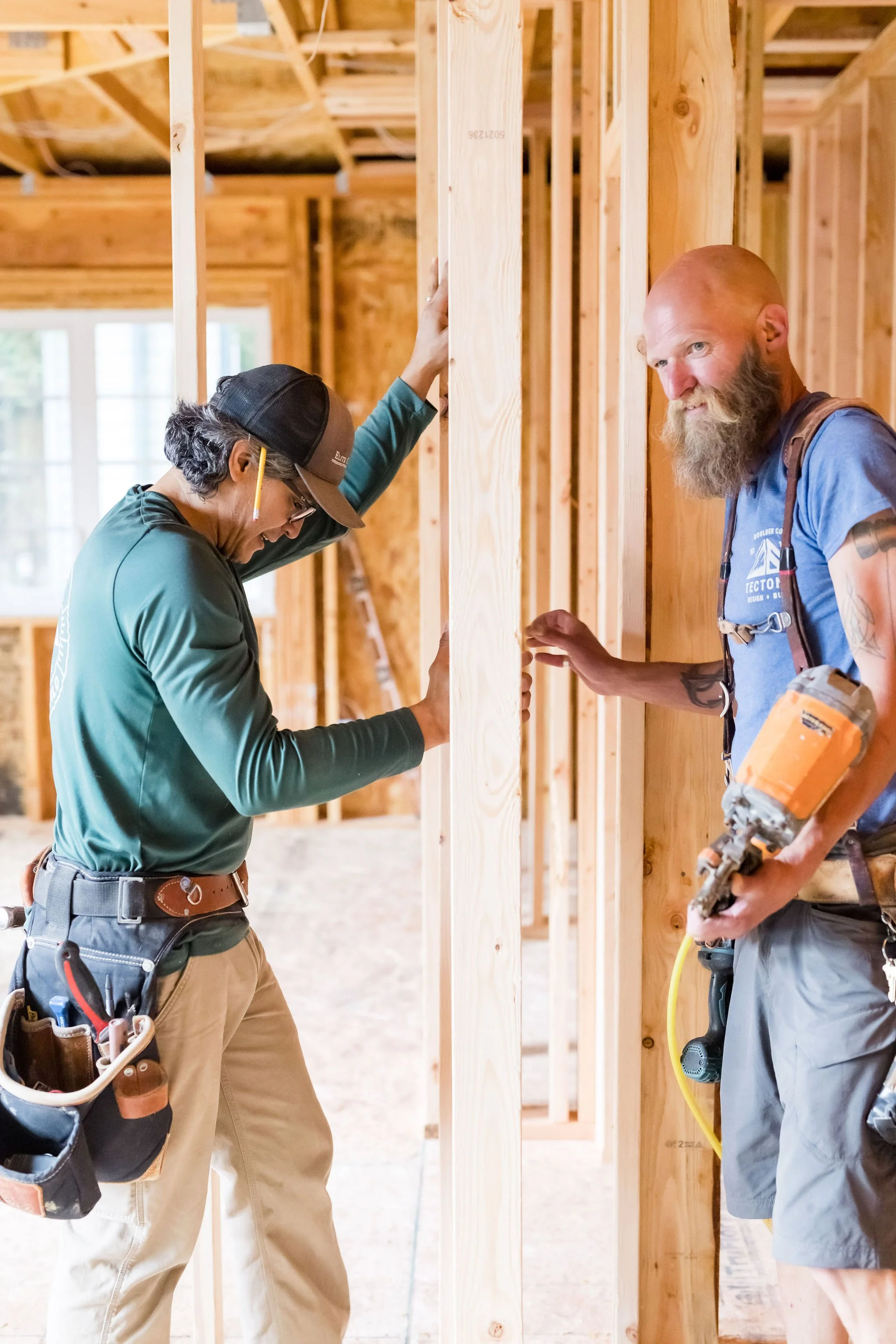
The architectural process typically unfolds in several phases:
Schematic or Conceptual Design: The architect listens to your goals and produces initial concepts: rough floor plans and sketches that explore the possibilities. This is the phase for big-picture feedback. A good design build firm will give you a rough total cost estimate at the end of this phase to make sure your concept ideas are financially possible.
Design Development: The preferred concept is refined. Materials, finishes, and systems are explored. This is where your family's aesthetic preferences really come into play.
Construction Documents: Detailed technical drawings are produced for permitting and bidding. These documents tell contractors exactly what to build and how.
Bidding & Contractor Selection: Your architect can help you solicit bids from contractors, review them, and make a selection.
Construction Administration: The architect makes site visits, answers contractor questions, and ensures the project is being built as designed.
Understanding these phases helps your family know when to give input and when to let the professionals execute. The time to debate kitchen layout is in schematic design, not during construction documents.
Consider Your Local Market Before You Finalize Scope
The scope of your renovation should be informed, at least in part, by your local real estate market. Over-improving a home beyond the ceiling of neighborhood values is a common and costly mistake.
If you're in a high-demand market like the Boulder, Colorado real estate market, the calculus can look quite different than in a slower market. Boulder has long been characterized by limited housing inventory, strong demand from university affiliates and outdoor recreation enthusiasts, and consistently appreciating home values. In a market like this, investing in a well-designed renovation often pays off: buyers expect quality finishes, outdoor living spaces, and energy-efficient systems, and they'll pay a premium for them.
Consult a local real estate agent or appraiser as part of your planning process. Ask them: "If we spend $X on this renovation, what does it do to our resale value?" That answer should shape both the scope and the finishes you choose.
Create a Family Decision-Making Framework
Remodels involve hundreds of decisions, from structural changes down to cabinet hardware. Without a clear process, decision fatigue sets in fast, and disagreements can slow everything down.
A few practices that help:
Designate a project lead. One person should be the primary point of contact for the architect, designer and builder. This doesn't mean others don't have input; it means there's a clear decision-maker when things need to move quickly.
Use a shared mood board. Tools like Pinterest or Houzz let everyone pin ideas. You'll quickly identify where your tastes align and where they diverge.
Separate "big decisions" from "small decisions." Structural changes and major finishes warrant full family input. Paint color and drawer pulls? Delegate those to whoever cares most.

Prepare for Life During Construction
Even the best-planned remodels are disruptive. Part of planning well is planning for the chaos.
Talk as a family about:
Will you stay in the home during construction, or stay elsewhere?
Which rooms will be off-limits, and for how long?
How will you manage noise, dust, and strangers in your home?
What's the communication plan with the contractor? Daily updates, weekly check-ins?
If you have young children or pets, these logistics matter enormously. Building a realistic picture of the construction period and making a plan together dramatically reduces stress when the work begins.
Keep the End Goal in Mind
When the dust settles (literally), you'll have a home that better reflects who your family is and how you live. The remodeling process, done thoughtfully, can actually bring families closer together, forcing you to articulate your values, make compromises, and invest in a shared vision.
Start with honest conversations. Ground your decisions in financial reality. Lean on qualified professionals who understand both design and your local market. And remember: the best remodel isn't the most expensive one; it's the one that makes your everyday life measurably better.
Ready to start the conversation? The first step is often the simplest: sit down together and talk about what home could feel like.
About the Author
Kelsie Michelson brings over a decade of operations management experience, providing a strategic, systems-driven approach to every project at Tectonic. As co-owner and COO, she built the company's proprietary process for seamless collaboration, transparency, and accountability, and has shaped Tectonic's minimal, modern, and earthy brand identity. Committed to community and culture, Kelsie fosters local connections and cultivates an environment of authenticity and continual growth throughout the Boulder community.