What Is Contemporary Architecture? How We Design & Build Modern Style With Mountain Living
Written by Jeremy Smith, Architect
If you've spent any time driving through Boulder, from Newlands through South Boulder, you've seen it happening. Homes that sit low against a hillside with walls of glass facing the Flatirons. Rooflines that follow the slope of the land instead of fighting against it. Exteriors that mix steel and wood against stone in ways that feel deliberate. That's contemporary architecture, and it looks the way it does here because Boulder's terrain and climate shape every design decision we make.
Contemporary architecture gets confused with "modern" constantly. We'll get into why those are different in a moment. But the reason contemporary design comes up so often in our conversations at Tectonic Design Build is that . It's the approach that gives us the most room to respond to the site, the client, and the conditions of building at altitude along the Front Range. It doesn't start with a rulebook. It starts with the land and the client (you!).
What Is Contemporary Architecture, and How Is It Different from Modern?
This comes up in almost every initial conversation we have with clients.
Modern architecture refers to a specific movement from the early-to-mid 20th century. Flat roofs, open plans, minimal ornamentation, lots of glass. Architects like Mies van der Rohe and Philip Johnson codified a set of principles, and "modern" in architecture still refers to that era and those ideas.
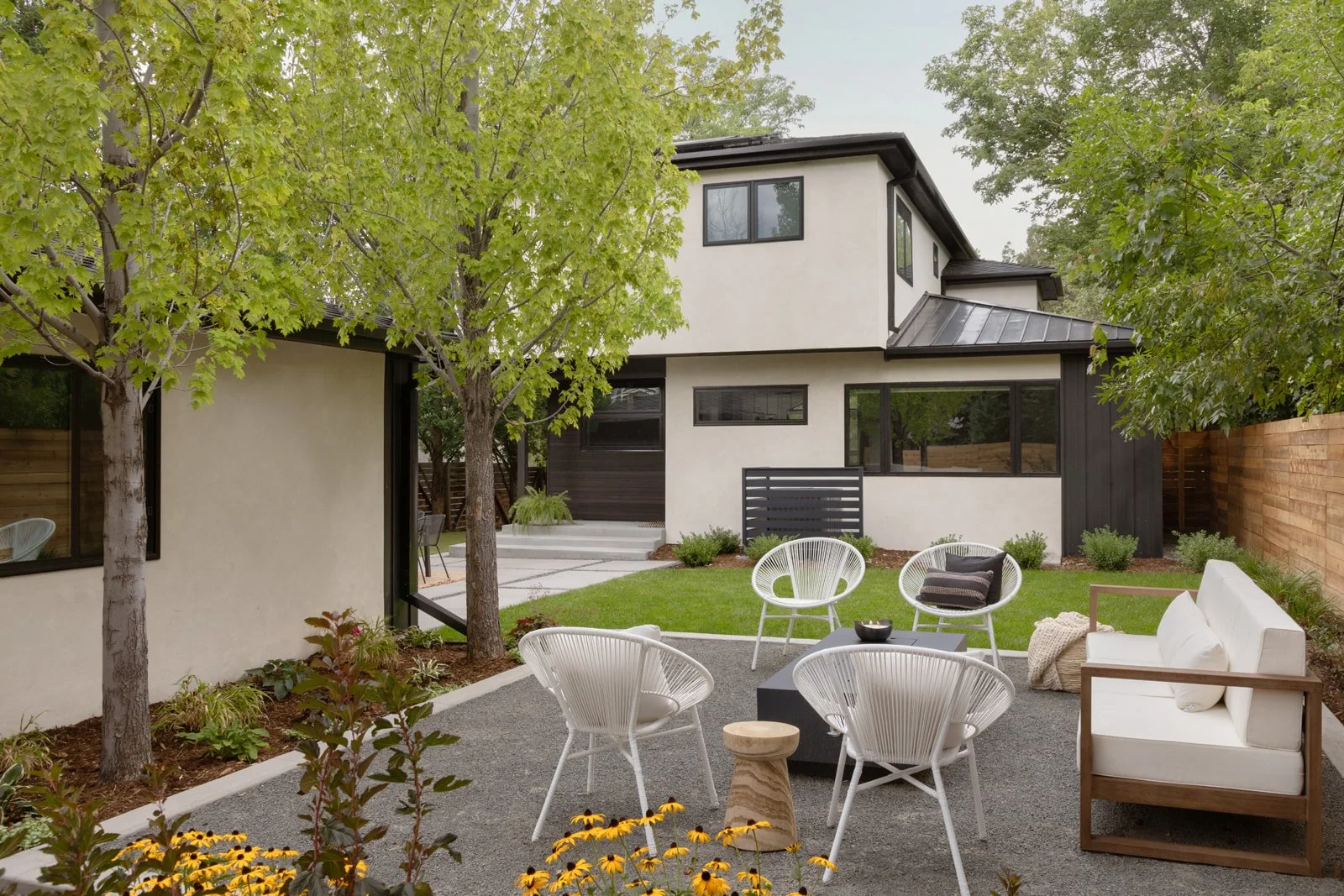
Contemporary architecture means "of the present." It pulls from modernism freely but isn't bound by it. A contemporary home might pair a flat roof section with a sloped one. It might use warm wood cladding next to blackened steel. The difference is that contemporary design treats each project as its own brief rather than applying a fixed set of rules.
In Boulder, that flexibility is the whole point. A strict modernist box doesn't always make sense on a lot with a 15 percent grade, afternoon thermal winds, and views that change depending on which direction you're facing. Contemporary design gives our architect the room to use clean lines and open layouts while also responding to what the site is telling them. You can see it across our portfolio, where homes read as clean and minimal from the street, but every angle and material choice is informed by, and thoughtfully selected to align with, the conditions of that specific lot.
Curious what that looks like on a finished home? See our modern mountain builds for a closer look.
What Contemporary Architecture Actually Requires: Design, Performance & Process
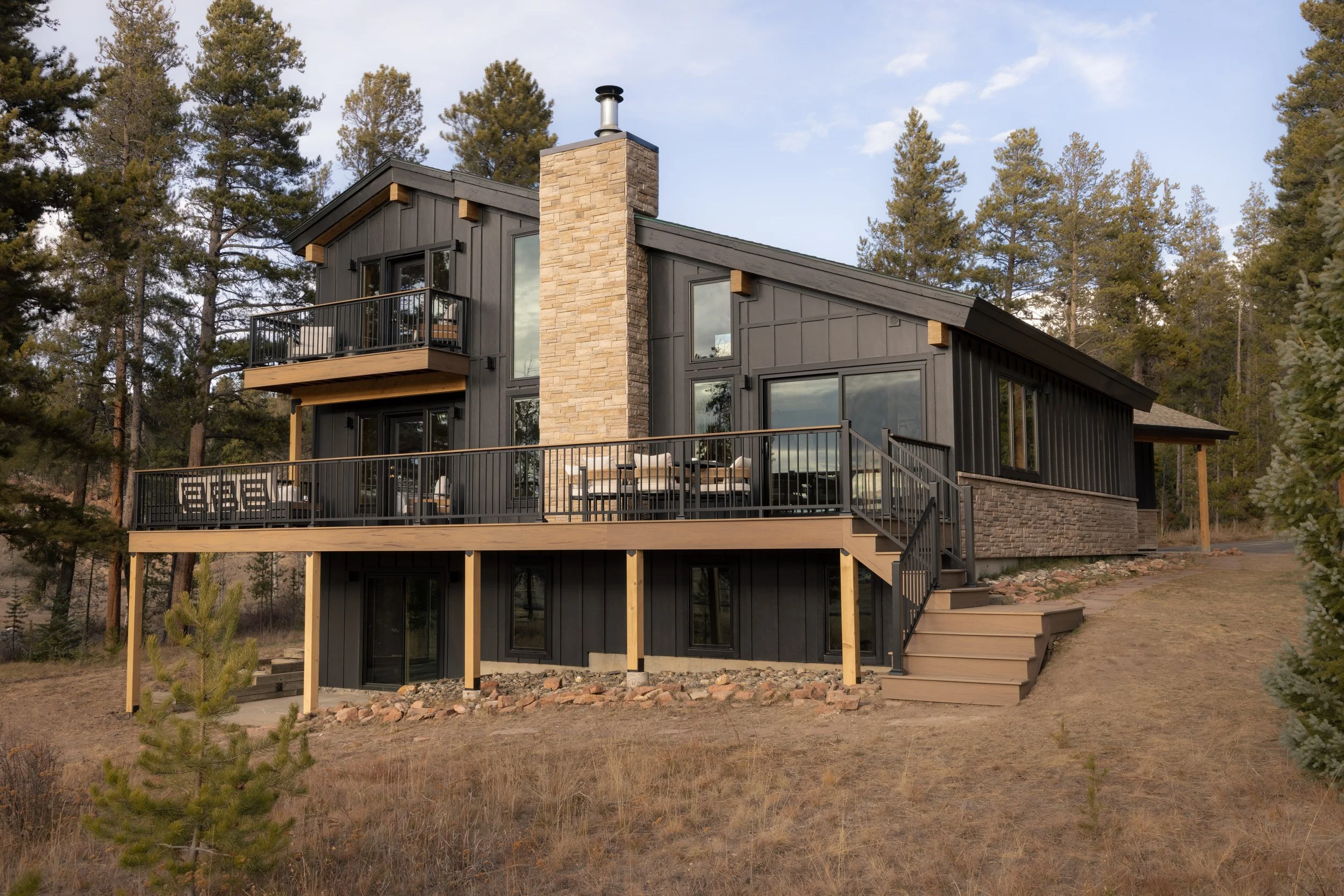
Colorado's Front Range presents conditions that a home has to answer to regardless of its style. Sun exposure is more intense at altitude than most people expect. Temperature swings of 40 degrees in a single day are normal. Snow loads, drainage patterns, wind exposure, and in certain areas, wildfire risk are all also part of Colorado living. A contemporary home with floor-to-ceiling glass and a flat roof has to perform through all of that, or the design only works on paper.
A client comes to us drawn to the openness and light of contemporary architecture, which makes sense with the views here. Our job is to deliver that feeling while making sure the home performs through sustainable design and building. This includes factors like thoughtful window placement so you get the views without overheating, exterior finishes that handle UV and freeze-thaw without constant attention, and roof assemblies and wall systems that keep the home comfortable year-round.
Why focus on this? You’ll feel the difference more than you see it:
Consistent temperatures from room to room, even at 15 degrees outside.
Quietness you don't expect from a home this open
Energy bills that don't spike in various months
Delivering that performance depends on how the project is run from the start. Building a custom home, in any style, means constant coordination between the architect, interior designer, and build team. When those conversations happen in separate offices on separate timelines, things get missed and budgets move.
At Tectonic, our design team works alongside the build team from the first conversation. That's the true benefit of a Design+Build firm. That back-and-forth isn't a phase we schedule, but rather, it's how we work throughout our process every day.
Can Modern & Contemporary Architecture Still Feel Like Home?
This might be the most important question on this page.
There's a perception that modern and contemporary means cold. Concrete, white walls, and nowhere to put your feet up. That version exists, but it's not what most of our clients are after. No matter how clean the lines are, it still has to feel like home.
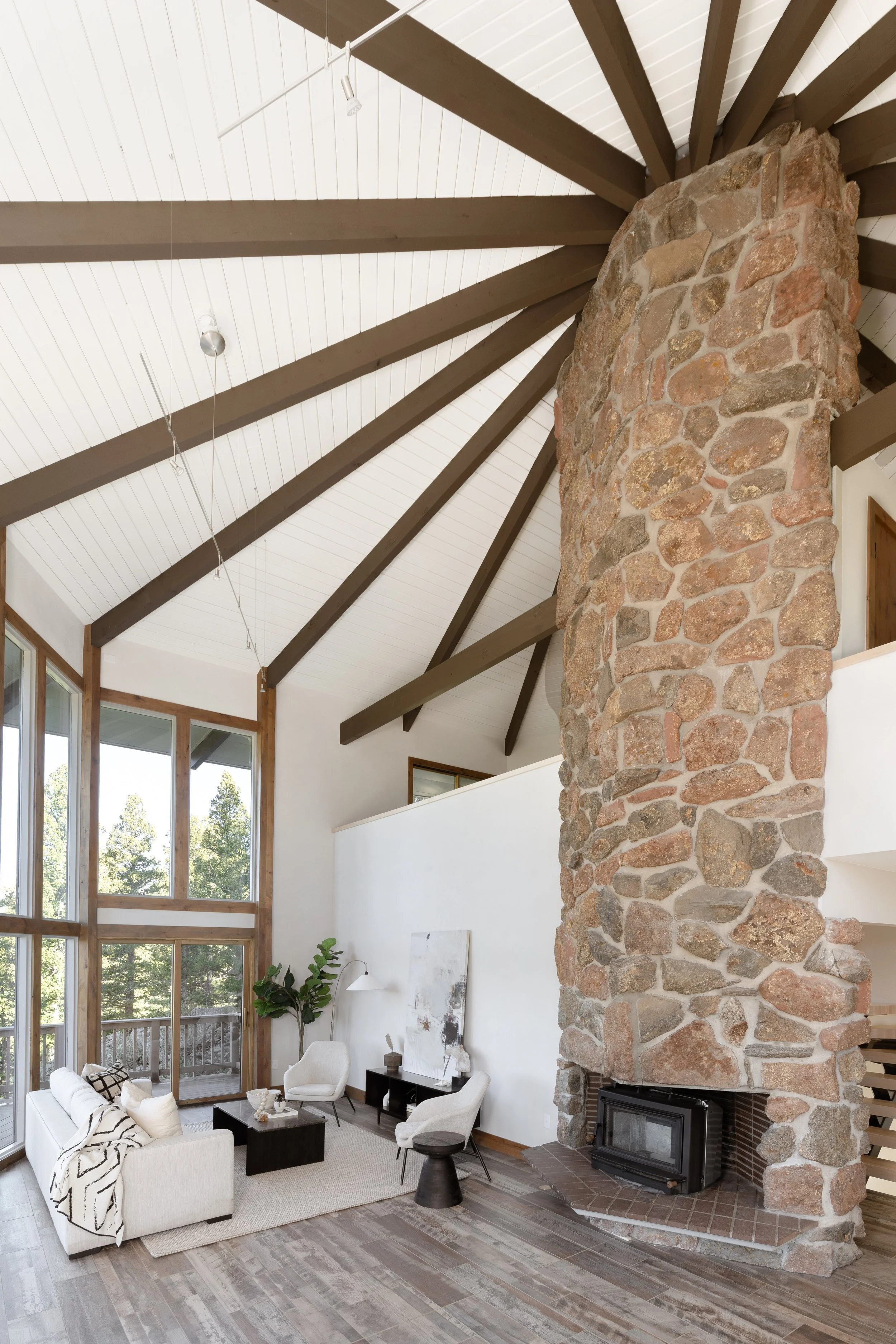
The contemporary homes we design in Boulder use natural materials as a starting point, not an accent. Wood ceilings that reference the trees visible through the windows. Stone chosen to echo the tones of the surrounding foothills. Warm metal hardware that patinas over time. The palette is informed by the environment around the home, not from a trend forecast.
And because our teams collaborate from the start, the warmth of the interior isn't something we layer on after the structure is done. It shows up in the floor plan, the material selections, and how light moves through each room. The goal is a home that feels open and full of light, and still works as a functional space for your family's needs.
If you're starting to think about what contemporary architecture could look like for your home, we'd love to hear about it. Start the Conversation →
About the Author
Jeremy Smith is a licensed residential architect at Tectonic Design Build with over 13 years of experience in high-end remodels, structural additions, and custom new construction across Colorado’s Front Range. Having begun his career in direct hands-on construction, Jeremy bridges technical field execution with innovative, functional architectural design. Jeremy is certified with The American Institute of Architects (AIA).