Contemporary vs. Modern Homes: What's the Difference, and Why Does It Matter for Your Build?
Written by Kate King, Design Director
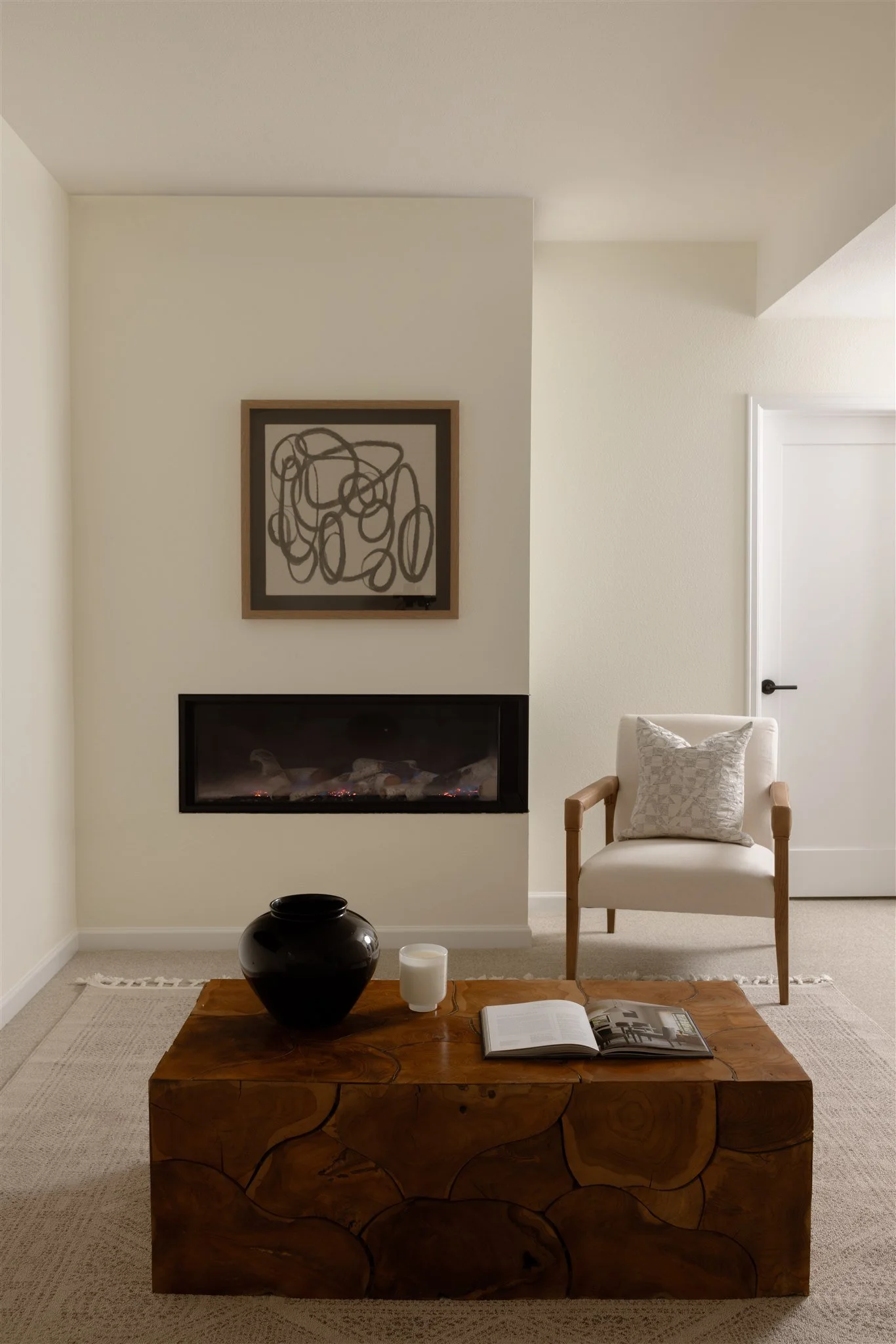
If you've started researching home design and noticed that 'contemporary' and 'modern' are often used interchangeably, there's a reason for that overlap. There's also a real distinction, and it matters once you're about to design a home around one of them.
At Tectonic, you don't need to walk in with that terminology sorted out. That's our job, not yours. We ask about the images you're drawn to, the details on your Pinterest board, the finishes that catch your eye, and we bring the design vocabulary to shape those pieces into one cohesive style. Understanding the difference can help you talk about what you want with more precision, but it's not a requirement for getting started.
When It Comes to a Modern Home vs. Contemporary Home, Where Does the Confusion Come From?
"Modern" in design refers to a specific historical movement. It emerged in the early-to-mid 20th century with a defined set of values:
Flat roofs and open floor plans
Minimal ornamentation
A deliberate break from classical European tradition
Architects like Mies van der Rohe,Walter Gropius, and Philip Johnson helped define that movement, and when designers and architects say "modern" today, that's still the era they're referring to.
"Contemporary" means of the present moment. It's a moving target by design. A contemporary home reflects current sensibilities, which might draw heavily from modernism, but it doesn’t have to. It could pair a flat roof with a steeply pitched one, or raw concrete alongside reclaimed wood. The defining characteristic isn't a particular look. It's responsive to the specific project in front of you.
The confusion makes sense because many contemporary homes share visual DNA with modern ones. Large windows, open layouts, and minimal ornamentation among them. But a modern home is rooted in a specific set of ideas from the early 20th century. A contemporary home borrows from those ideas and adjusts based on the site, the climate, the moment, and the people living there. (For a deeper look at what that means in practice, our overview ofwhat is contemporary architecture walks through the principles in more detail.)
What Does the Modern vs. Contemporary Home Distinction Look Like on a Build?
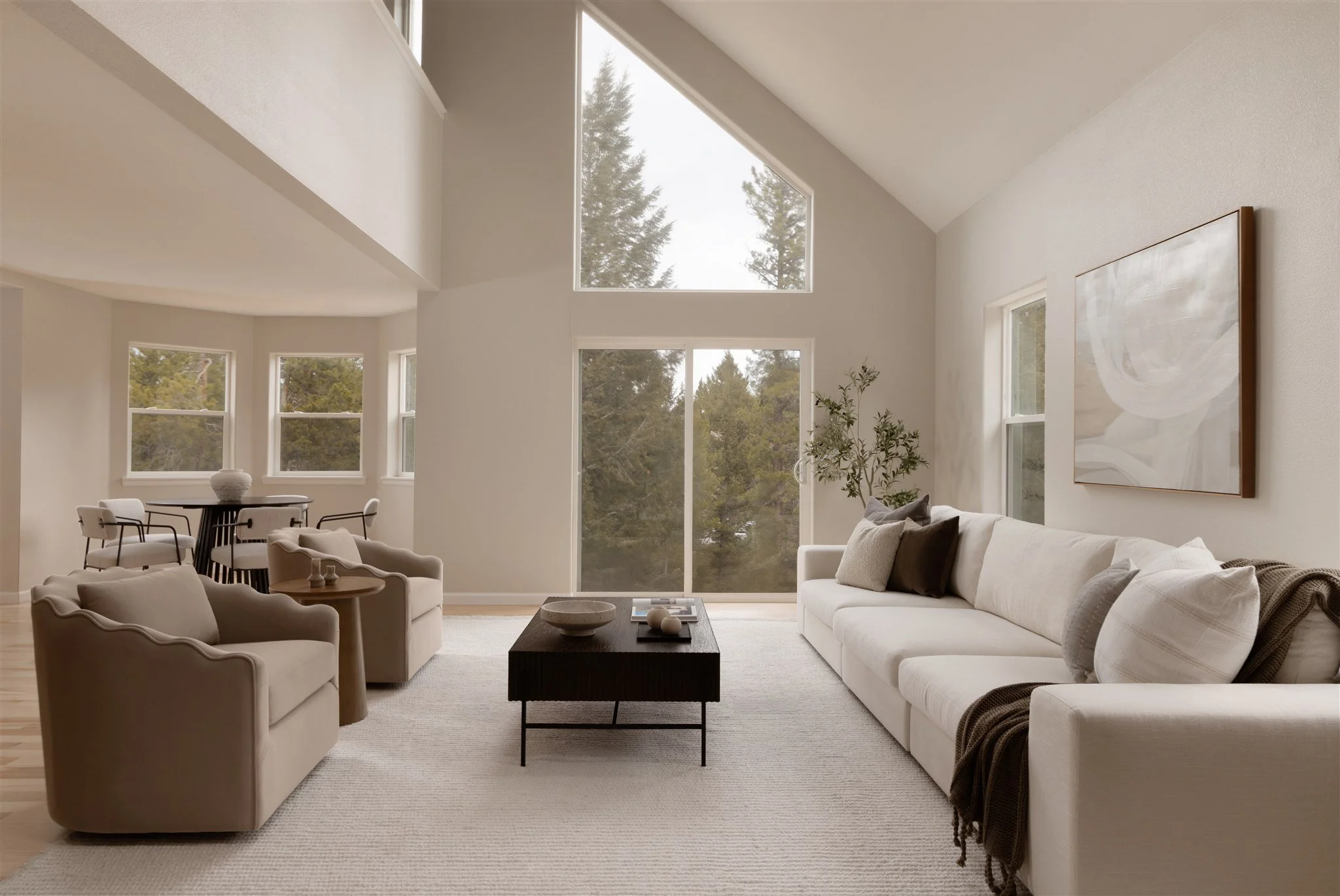
This is where the difference starts to matter on an actual project.
A modern home, true to the movement, tends to follow a tighter set of rules, including horizontal lines, flat or low-slope roofs, and minimal material variety. A lot of our clients are drawn to that aesthetic, and we understand why. But it doesn't always make sense for the environment.
In Colorado, you’ll often find sites dealing with a significant grade, afternoon thermal winds off the Rockies, and views that shift depending on which direction you're facing. A contemporary approach gives the design team room to follow the land:
A responding roofline to drainage and snow load.
Window placement that optimizes for passive solar without giving up the view.
Materials chosen for how they perform at altitude, not just how they look on a screen.
Our work in sustainable architecture is built around exactly this kind of site-specific thinking, where systems and finishes are chosen for the environment where the home will actually stand.
How Does the Contemporary Home vs. Modern Home Choice Affect the Feel of the Interior?
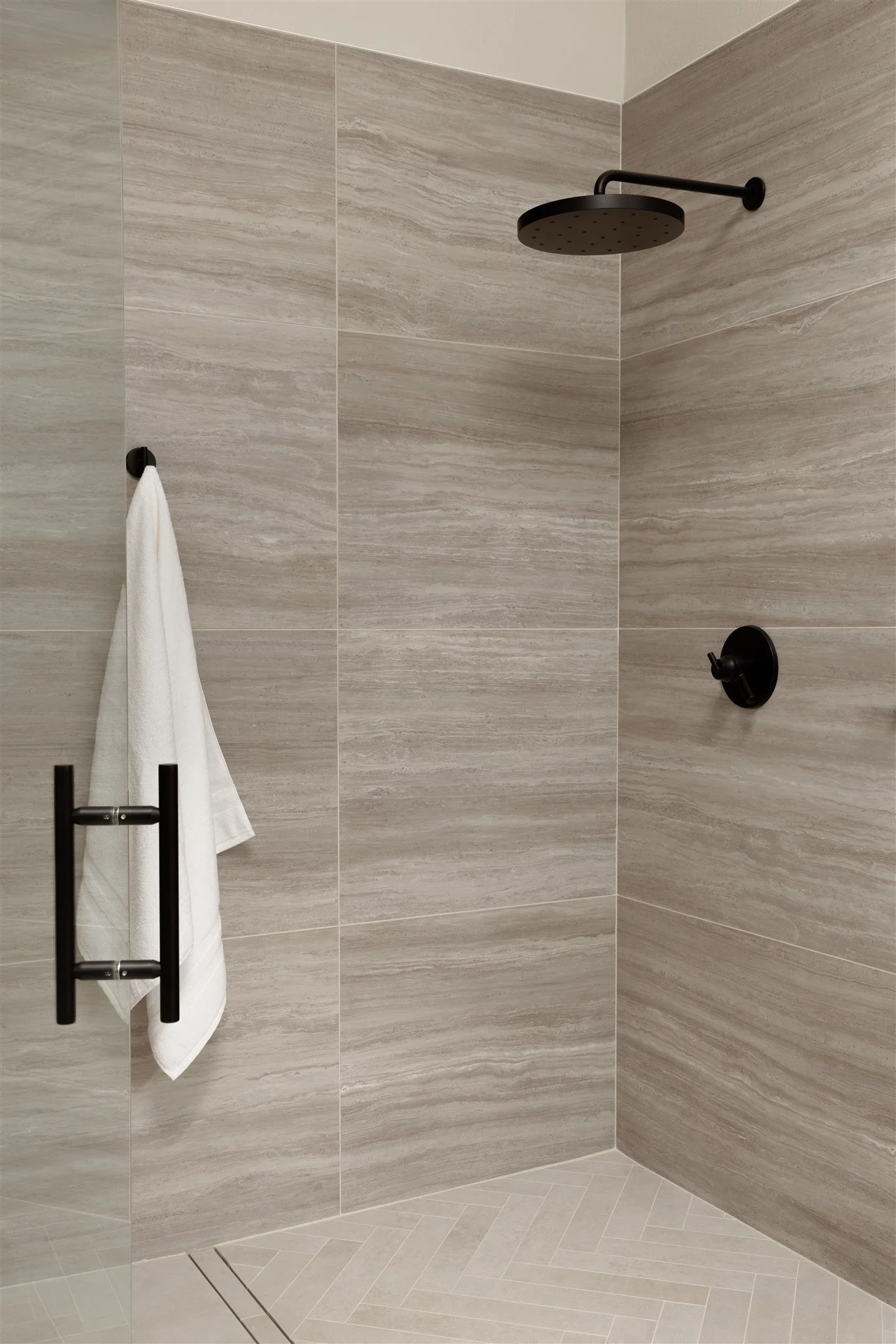
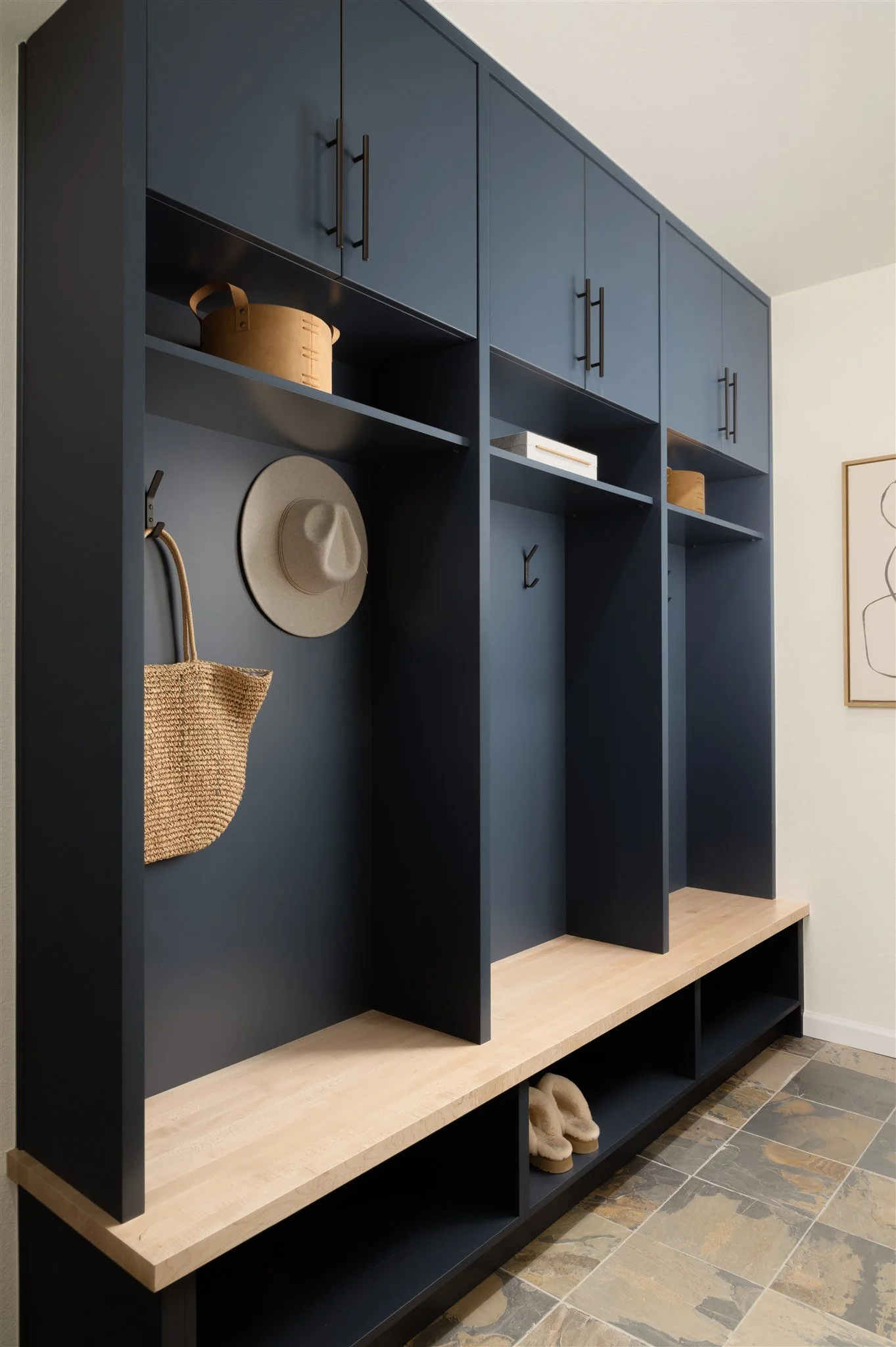

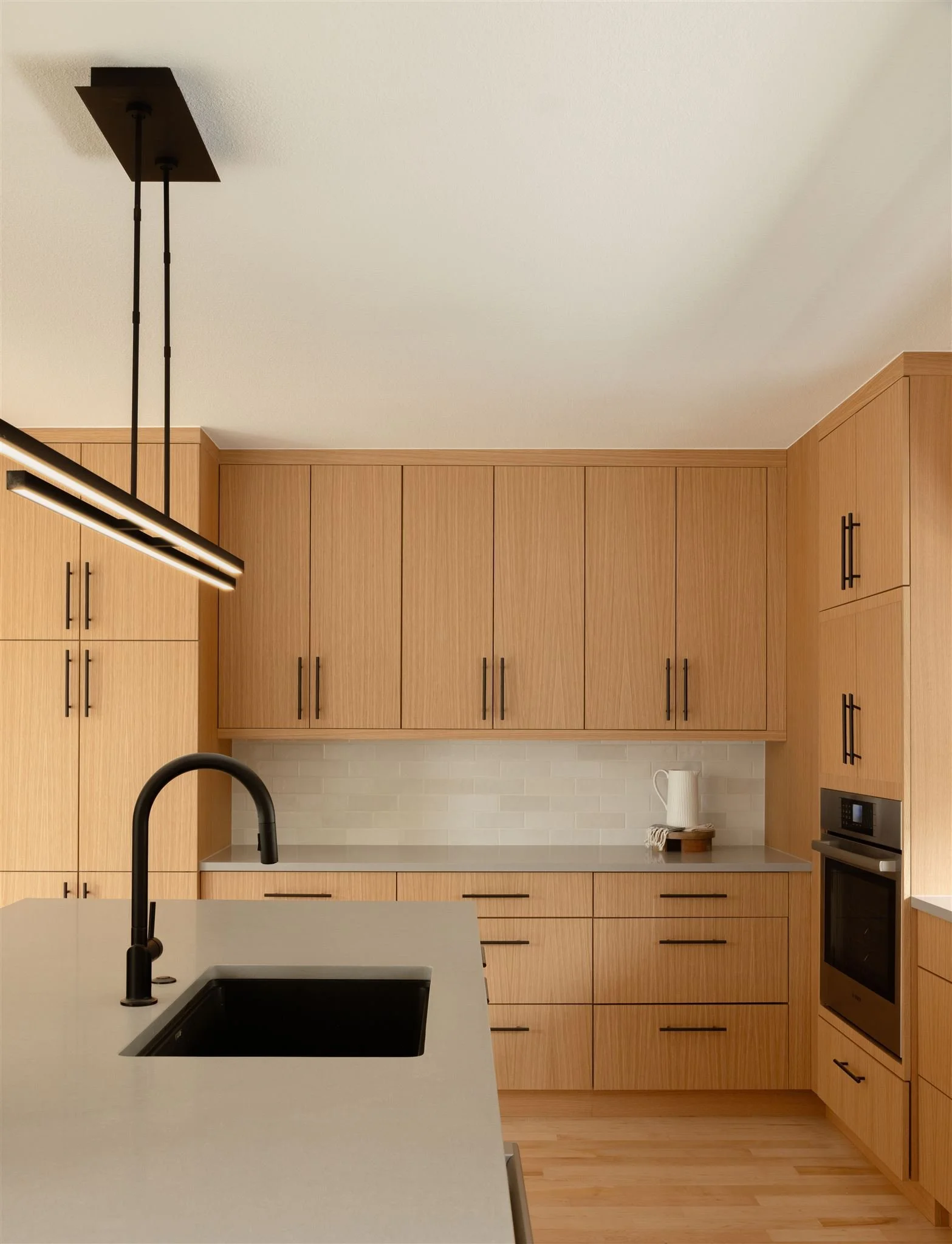
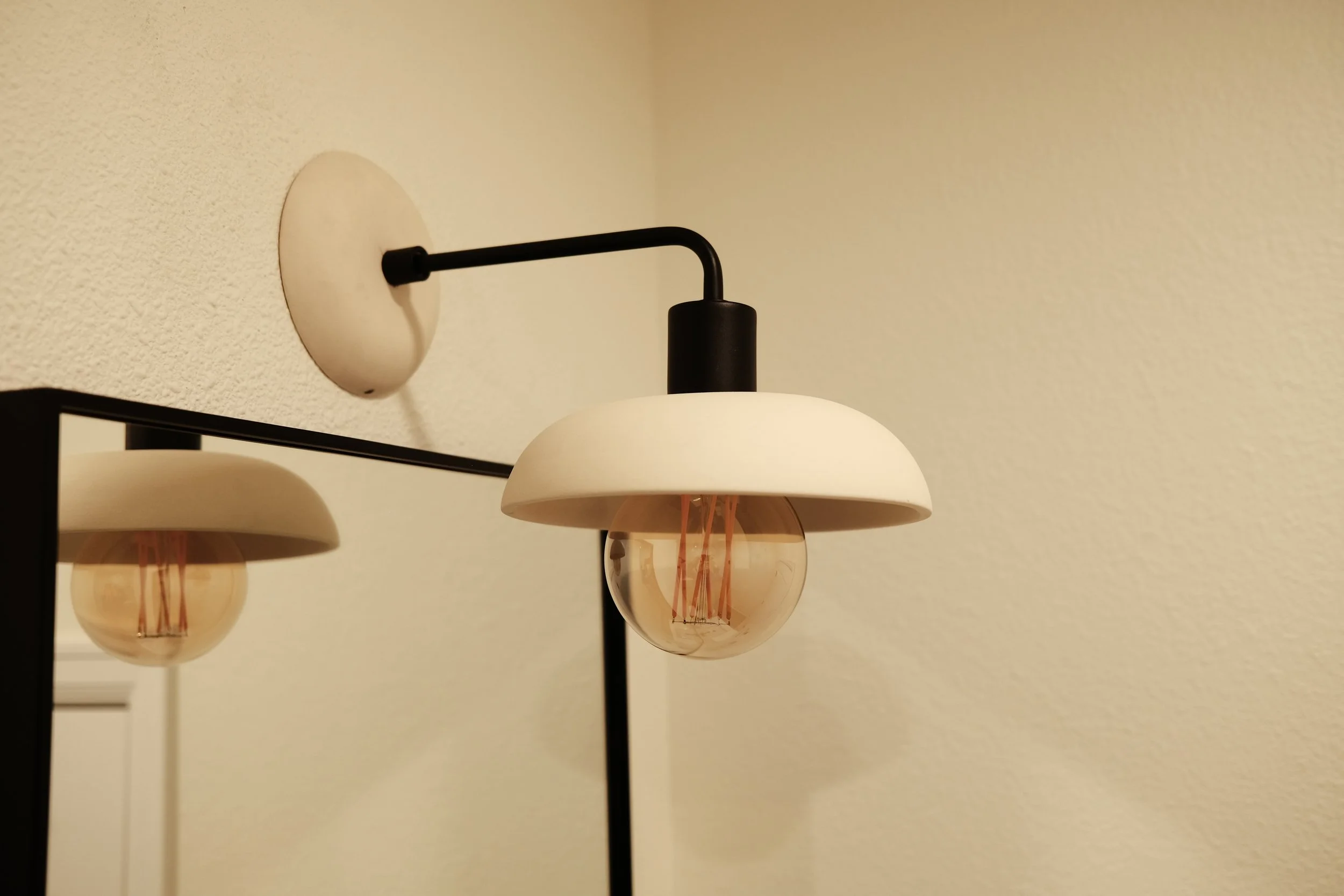
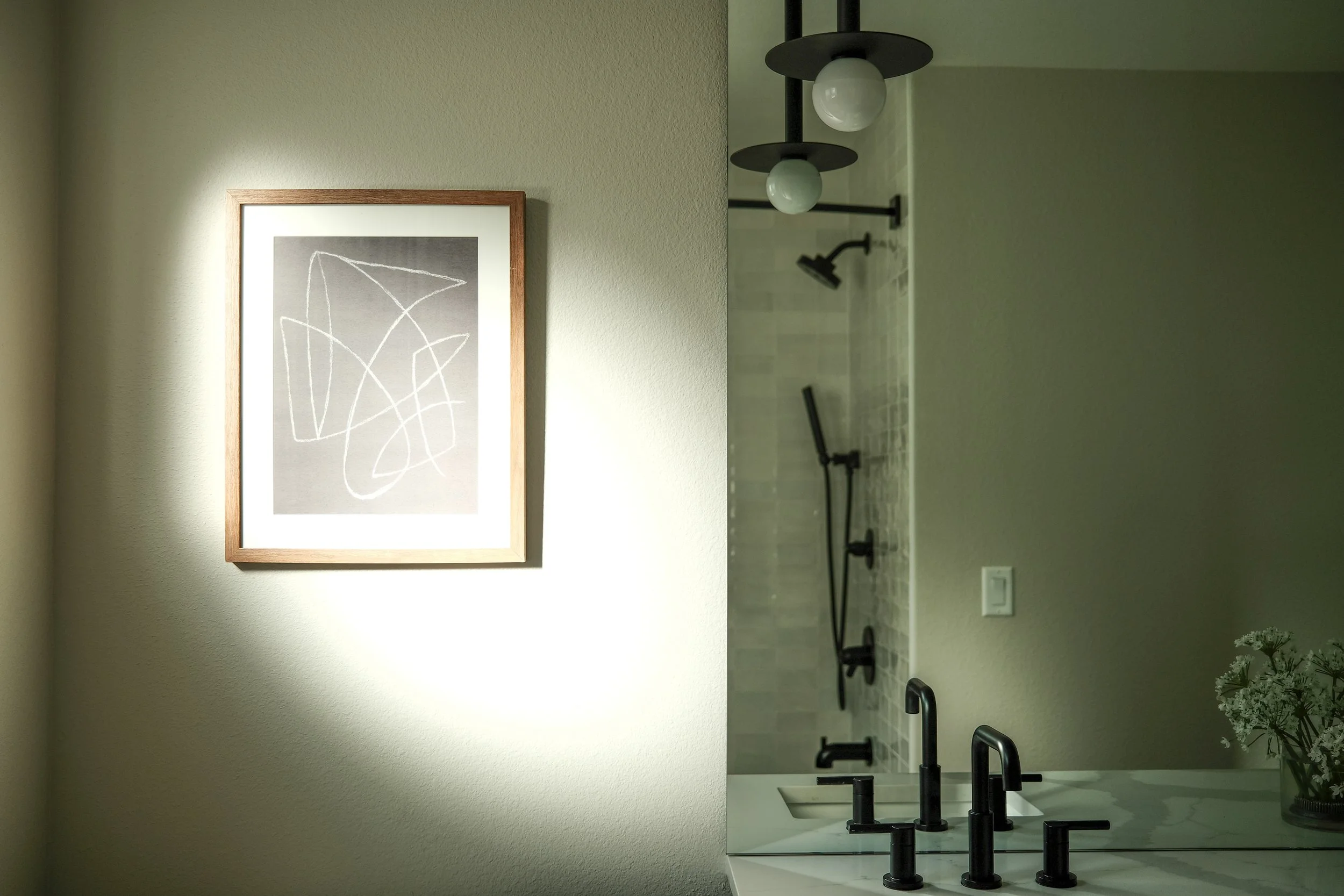
We love incorporating the precision and clean lines that define modern design, along with the flexibility that makes contemporary work feel personal to the people living there. Bringing those qualities together comes down to how intentional the team stays from the very first conversation.
Contemporary interiors done well have a clear direction, one that came from the project itself rather than a style guide. In Boulder, that usually looks like:
Wood ceilings that echo the landscape visible through the glass.
Stone sourced nearby because it holds up and feels right.
Finishes that earn some character over time.
You can see how that plays out in a finished home like our modern mountain masterpiece project.
What keeps a contemporary interior from feeling scattered is the coordination between design and construction from day one. When the architect, interior designer, and build team are working from the same vision at the start, material choices don't get made in a vacuum. The warmth you feel when you walk into one of our homes isn't an accident. It was decided early, in the same conversations where we were planning your home.
If you're curious how interior decisions relate to the architecture underneath them, we talk aboutinterior design vs. interior architecture directly.
So Which Is Right for You, and How Do You Know?
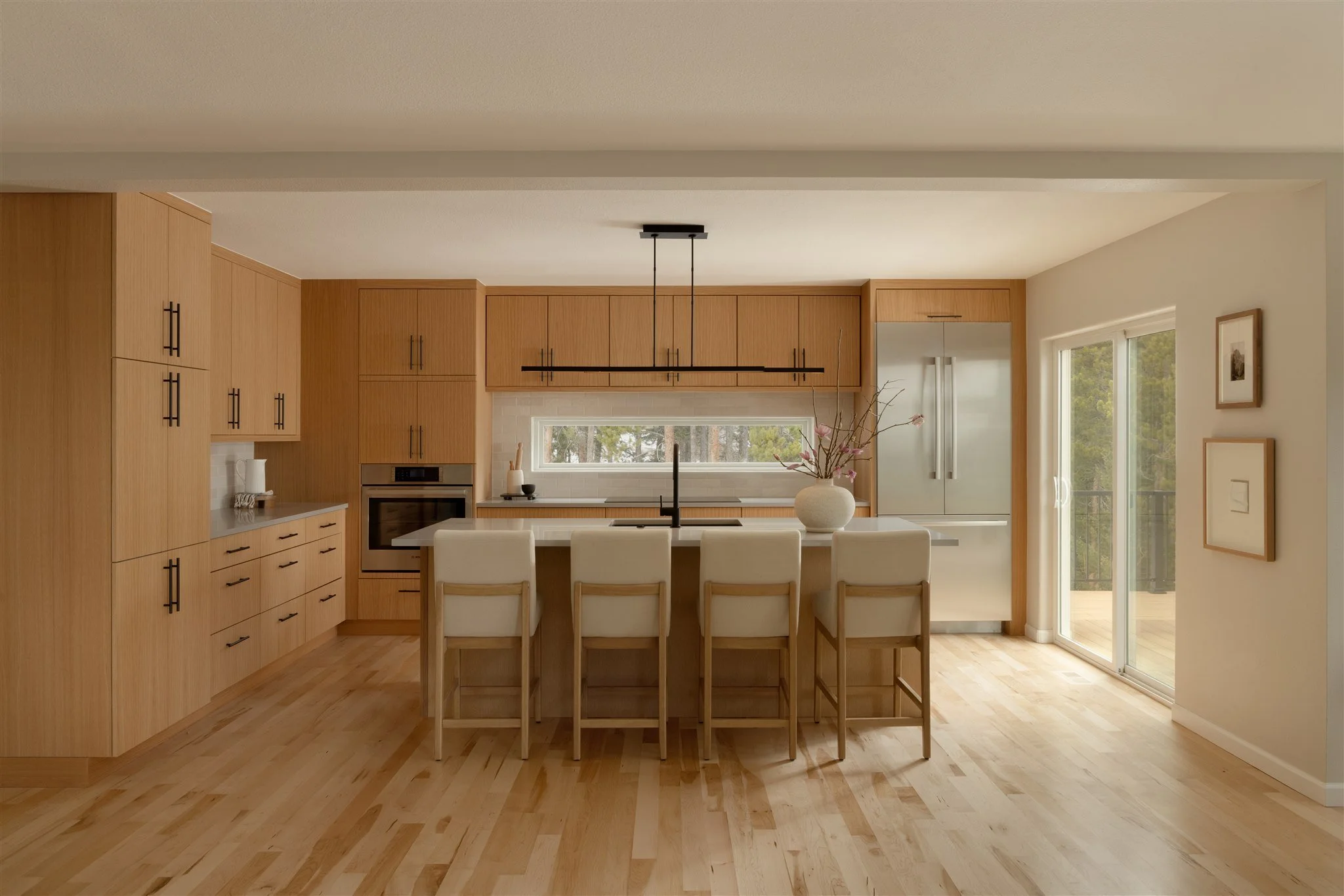
Most people who think they want a modern home are actually describing a contemporary one. They want clean lines, openness, light, and materials that feel intentional. They just don't want to be locked into a strict set of rules that weren't designed with their site in mind.
A finished house takes its shape from what genuinely inspires you and how you want to live, not from a design term. The land plays its part too, shaping decisions the design team makes from day one. Whether you're planning a custom home from the ground up, or rethinking your current space through a remodel, that starting point stays the same.
If you're curious about how that conversation becomes a finished home, our process page walks through it step by step. And if you want to see where these conversations have led, take a look at our portfolio.
Ready to talk about what your home could be? Start the Conversation →
About the Author
Kate King leads Tectonic's Design Team with an approachable philosophy: beautiful design should be attainable for everyone. Based in Boulder, she holds a master's from the Heritage School of Interior design and brings her passion to every project, with a particular love for kitchens and baths.